Song Meaning
The lyrics paint a picture of profound regret and lingering sorrow. A narrator addresses a "dear friend," expressing deep apologies and confessing persistent loneliness since their loss. It's a poignant, one-sided conversation filled with a quiet ache.
The core tension lies in the narrator's inability to move past a significant loss, contrasted with the friend's apparent absence or unavailability. Phrases like "Je manque de vous souvent" (I miss you often) and "Je vous attends souvent" (I wait for you often) reveal a mind consumed by the past, while the stark "Vous n'avez plus le temps" (You no longer have time) underscores the finality or distance. This creates a heartbreaking sense of unfulfilled longing.
The lyrical craft beautifully intertwines delicate imagery with raw emotional honesty. The narrator "écris ces quelques fleurs / Avec mon coeur à l'intérieur" (writes these few flowers / with my heart inside), a tender, almost surreal metaphor for a fragile offering of deep feeling. This contrasts sharply with the blunt admission "il ne fait pas beau / Et que j'ai mal, seul" (it's not good weather / and I hurt, alone), grounding the poetic expression in tangible pain.
What makes these lyrics resonate is their vulnerable sincerity. The repeated "Je vous fais toutes mes excuses" (I offer you all my apologies) isn't just a phrase; it's the anchor of a narrative steeped in remorse. The persistent presence of the friend in the narrator's thoughts – "Je vous vois partout" (I see you everywhere) – combined with the acknowledgment of their absence, creates a powerful sense of grief that feels both personal and universally understood.
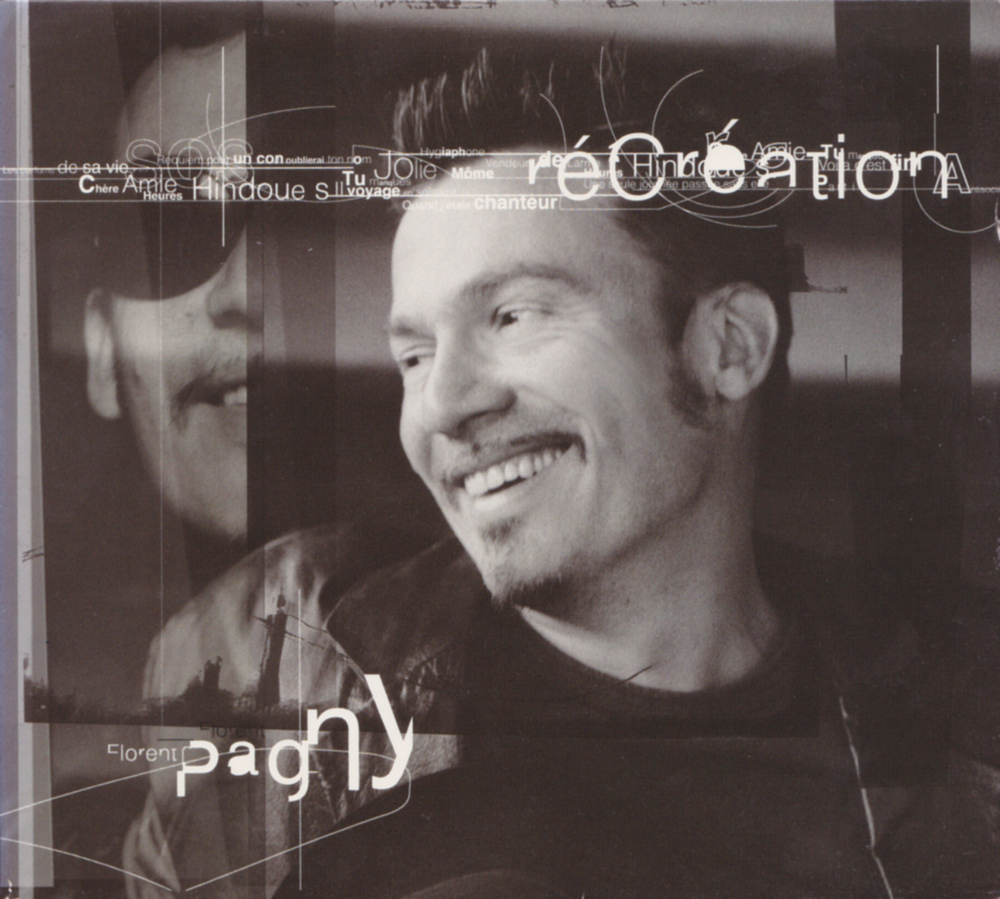
 View Artist