Song Meaning
The lyrics open with an intimate invitation to watch night fall over Paris from a terrace, immediately establishing a quiet, shared moment. The city itself is described as "Paris s'est mis à marée basse" – at low tide – suggesting an unusual stillness. This isn't the bustling, iconic Paris, but a temporarily subdued version, almost deserted. It's a fleeting escape, a weekend stolen from the usual rhythm.
This "low tide" state is explicitly linked to the receding of the usual crowds, creating a sense of emptiness. The narrator emphasizes this temporary ownership: "Il est à nous jusqu'à lundi." This creates a feeling of precious, borrowed time, where the vast city shrinks to an intimate space for two. The fleeting nature of this calm is underscored by a twilight described as somewhat transient.
Yet, the lyrics offer a fascinating counterpoint, reminding us that Paris, despite its current quietude, is a city of immense character and history. It's a place that has known countless winds and floods, enduring reclusive times of storms. This deepens the "low tide" metaphor, suggesting the city isn't just empty, but momentarily resting. The image of the Champs-Élysées becoming "C'est l'Atlantide à la surface" is particularly striking, transforming the iconic avenue into a ghostly, almost submerged landscape.
Ultimately, the lyrics craft a powerful sense of quiet intimacy against the backdrop of a temporarily hushed metropolis. The repeated phrase "Paris s'est mis à marée basse" becomes a refrain for this unique, almost surreal calm. The final lines, "L'amour est aux grandes marées," offer a poignant contrast, implying that while the city may ebb and flow, love itself operates on a different, more powerful tide, perhaps surging even in this quietude. It leaves the listener with a feeling of a cherished, fleeting connection.
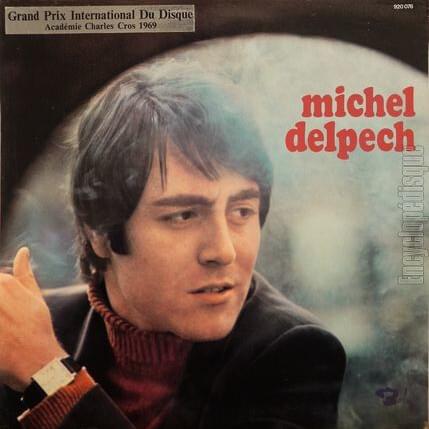
 View Artist