Song Meaning
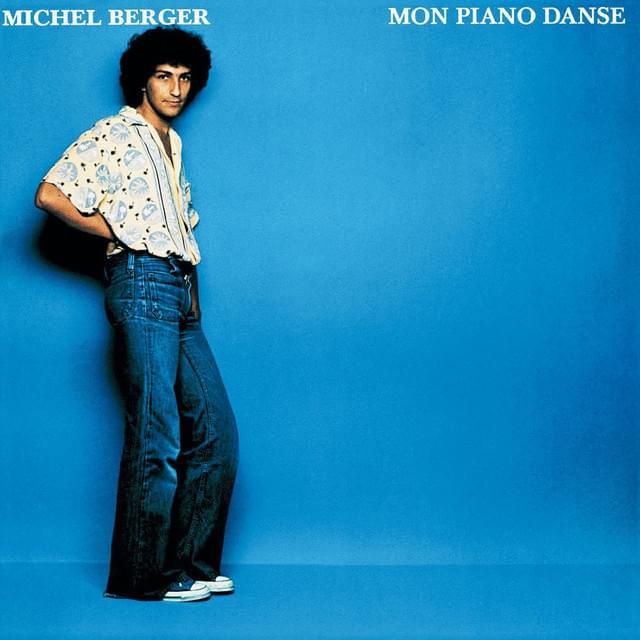
Michel Berger's "Mon piano danse" isn't just a song; it's a confession of artistic possession, a glimpse into the turbulent relationship between a musician and his instrument. The opening lines bristle with defensiveness, a preemptive strike against a lover's doubt. This isn't mere ego; it's the wounded pride of someone whose identity is inextricably linked to their art. The piano isn't just an object; it's an extension of the self, a conduit to buried emotions and memories. When those memories threaten to overwhelm ("Si une minute mes souvenirs se noient"), the piano becomes both refuge and instigator, a force that pulls him back from the brink while simultaneously propelling him forward. The invocation of the devil hints at the Faustian bargain inherent in artistic creation: a surrender of control in exchange for the power to create. The repeated refrain, "Mon piano danse," takes on a hypnotic quality, suggesting a trance-like state where the boundary between artist and instrument blurs.
The lyrics reveal a deep ambivalence. There's a yearning for escape ("Et certain soirs où je ne suis plus moi / Je quitterai ma ville au cœur de bois"), a desire to shed the constraints of everyday life and surrender to the intoxicating pull of the music. But there's also a fear of losing himself completely, of being consumed by the creative force. The threat of divine retribution ("Mais que le ciel s'écroule et me foudroie") underscores the gravity of this internal conflict. He acknowledges "J'ai quelque chose de fou au bout des doigts," suggesting a raw, untamed energy that is both exhilarating and terrifying. The piano's dance becomes a metaphor for this internal struggle, a push and pull between control and abandon.
The final section, with its insistent "Suis-moi il me dit suis-moi," captures the seductive power of the muse. The piano beckons, promising transcendence, but the artist hesitates, unsure of where it will lead ("Mais moi je n'sais pas jusqu'où il ira"). This is the eternal dilemma of the artist: to surrender to the creative impulse, even if it means venturing into the unknown, or to hold back, to protect oneself from the potential for destruction. "Mon piano danse" is a poignant exploration of this tension, a testament to the intoxicating and sometimes destructive power of art. The song meaning ultimately resides in this unresolved conflict, a dance between passion and fear.
 View Artist