Song Meaning
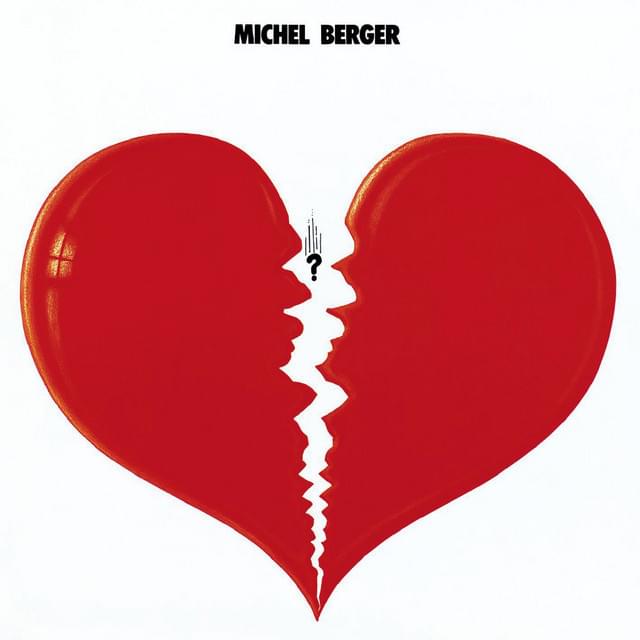
Michel Berger's "Je t'aime vachement fort" isn't just another love song; it's a raw, almost desperate plea echoing from the depths of a relationship on the brink. The opening lines, "Une vie entière à cacher mes larmes / Tu gagnes et je perds, je dépose les armes," paint a picture of utter defeat. It's the confession of someone who has spent a lifetime masking their vulnerability, only to find themselves consistently on the losing side. The act of surrendering, of laying down arms, isn't noble; it's born of exhaustion.
The recurring refrain, "Je t'aime encore, je t'aime encore / Je t'aime vachement fort," is deceptively simple. The repetition underscores the intensity of the feeling, but the phrase "vachement fort" (very strongly) adds a layer of complex emotion. It’s not just love; it's love mixed with a deep undercurrent of pain and perhaps even a touch of stubbornness. It’s the kind of love that persists despite the evident imbalance of power.
The second verse offers a glimpse into the fractured reality of the relationship: "Tu fermes les yeux, c'est ton cauchemar / Quand je me réveille, je t'entends qui part." This suggests a recurring cycle of conflict and separation. The partner's nightmare hints at their own internal struggles, while the narrator is left to face the solitude of the aftermath. The song meaning isn't just about love, but about the complex and often painful dance of codependency and the struggle to hold onto something that may already be lost. Michel Berger encapsulates the bittersweet reality of loving someone, even when it hurts.
 View Artist