Song Meaning
Michel Berger's "Ballade pour une Pauline triste" isn't just a ballad; it's a stark portrait of shared isolation, painted with the delicate brushstrokes of French chanson. The song meaning resides in the juxtaposition of childlike innocence and adult disillusionment. The narrator observes Pauline's sadness, seeing in her tears a reflection of his own buried dreams within the "noir et blanc" of his life. The "journal en noir et blanc" symbolizes a life that, on the surface, appears simple and uninteresting, particularly to a child. However, the narrator, having experienced more of life, recognizes the hidden potential and unrealized aspirations within it. This is not just Pauline's story; it's an empathetic resonance.
The recurring plea to "pleure, pleure, pleure" is not an encouragement of despair, but an invitation to catharsis. It's an acknowledgement of the "monde si lourd à porter," a world that offers little consolation. The repeated line, "Reste, reste à côté de moi," reveals a yearning for connection, a mutual seeking of warmth and reassurance against the fear of abandonment. This speaks to the core of human need for companionship in the face of overwhelming existential anxieties. The image of counting fingers in the shadows and the inability to grasp the concept of time underscores a sense of being lost and disoriented, further amplifying their shared vulnerability.
The final verse, with its imagery of tears on the piano keys, elevates Pauline's sadness into a form of artistic expression. Her "bouche fait du drame, tes yeux font du charme" suggests a complex interplay of pain and beauty. The narrator, again, sees beyond the surface, recognizing the potential for creation even in the depths of sorrow. "Ballade pour une Pauline triste" ultimately becomes a meditation on the shared human condition: the struggle to find solace and meaning in a world that often feels cold and indifferent. It's a reminder that even in our darkest moments, the possibility of connection and the flicker of unrealized dreams can offer a fragile, yet persistent, hope.
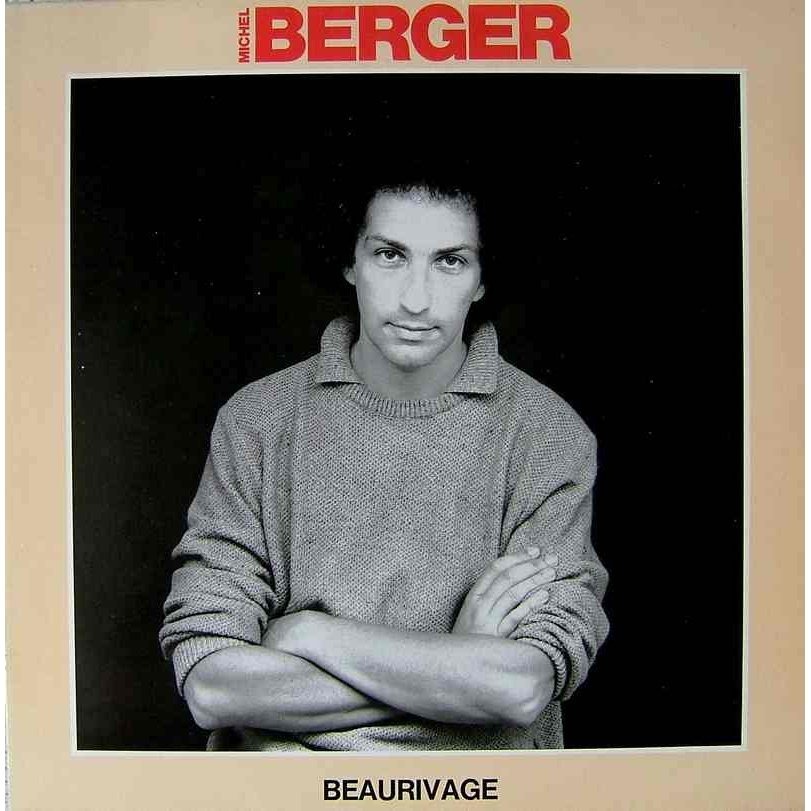
 View Artist