Song Meaning
The lyrics paint a stark picture of a relationship that’s both inescapable and damaging, set against the backdrop of winter. The narrator prepares for the cold, but a deeper, internal ailment persists, a wrongness the mind refuses to accept. This internal conflict suggests a struggle with a self-inflicted wound or a deeply ingrained pattern that feels fundamentally incorrect, yet the narrator holds onto it as something right.
The central tension lies in the push and pull of this connection. The repeated phrase "Μα πιο σκληρά γυρνάς" (But harder you return) highlights a cyclical pattern of departure and return, where the pain of leaving is matched, or even surpassed, by the intensity of the reunion. This dynamic is described as the other person "continuously winning" and "defeating" the narrator for a lifetime, emphasizing a sense of powerlessness within the relationship.
The imagery of winter and open windows, despite the cold, is particularly striking. The narrator states, "Ξέρεις καλά πως στα παράλογα μπροστά το κόστος δε ρώτησα" (You know well that facing the absurd, I didn’t ask the cost). This implies a willingness to endure significant, perhaps self-destructive, consequences for the sake of this relationship, even when it’s clearly detrimental, leading to illness. The idea of changing faces "like a thief" if they were to leave further underscores the deep, almost identity-altering impact of this bond.
Ultimately, the lyrics resonate because they capture the frustrating paradox of holding onto something that clearly harms you, yet feels essential. The narrator’s internal battle – between acknowledging the wrongness and clinging to the perceived rightness – is amplified by the cyclical, painful nature of the relationship. This creates a potent emotional landscape of resignation and persistent, self-inflicted suffering.
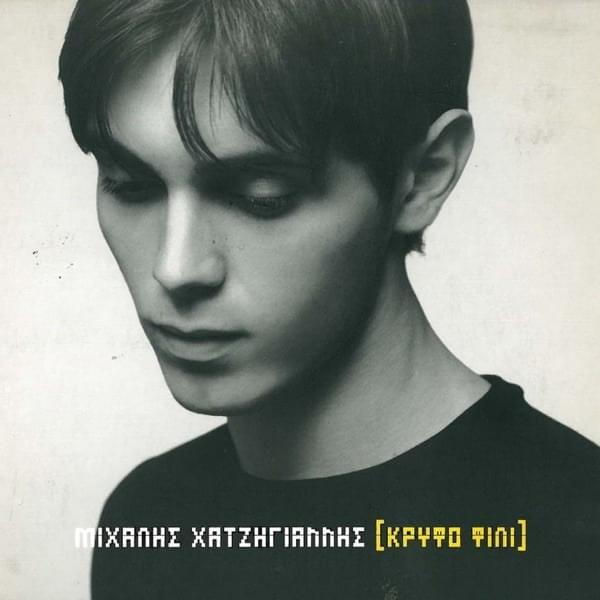
 View Artist