Song Meaning
Stephen Sondheim's setting of Shakespeare's "Fear No More" is a stark confrontation with mortality, stripped bare of sentimentality. The lyrics, drawn directly from *Cymbeline*, function as a secular eulogy, an attempt to console the living by minimizing the sting of death. But it's not a comforting platitude; instead, Sondheim, through Shakespeare, presents death as the ultimate leveler. The "golden lads and girls" meet the same fate as "chimney-sweepers," a grim reminder that earthly status is fleeting and ultimately meaningless in the face of oblivion. This isn't about religious salvation or afterlife fantasies; it's about the cessation of worldly concerns. The song suggests freedom from earthly burdens comes only in death. The anxieties of life – "the heat o' th' sun," "winter's rages," "slander, censure rash" – all fade into insignificance.
The power of "Fear No More" lies in its unflinching acceptance. There's no sugarcoating, no false hope, just the cold, hard reality that "all must…come to dust." Sondheim's musical choices likely amplify this sense of resignation, highlighting the inherent tension between the beauty of the language and the grimness of the message. The juxtaposition forces a confrontation with our deepest fears, not to eradicate them, but to understand them.
Ultimately, the song's meaning isn't about escaping death, but about reframing our relationship with it. By acknowledging its inevitability, the lyrics subtly challenge us to re-evaluate our priorities in life. If all earthly striving ends in dust, what truly matters? What fears are worth conquering, and which are merely distractions from the essential task of living? The "Fear No More" lyrics analysis reveals a profound meditation on the human condition, distilled into a few potent lines of verse.
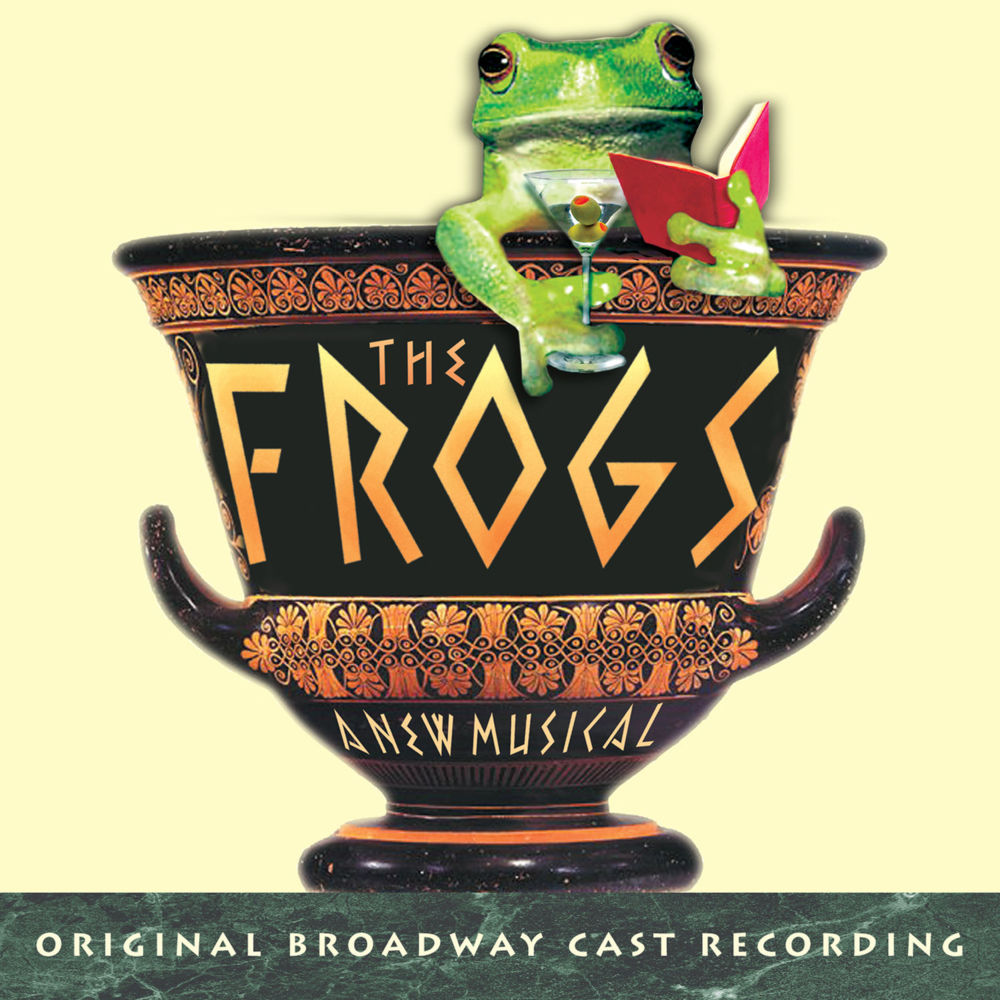
 View Artist