Song Meaning
The lyrics paint a disorienting picture of sudden abandonment and a desperate, almost obsessive, attempt to understand what happened. The opening lines, "Never know, I never know / Where'd you go?", establish a core mystery, a void left by someone who was present and then vanished. This immediate sense of loss is amplified by the narrator's repeated, almost pleading, invitations: "Come on down, come on down." It feels like a plea for return, or at least for an explanation that never comes.
The central tension arises from the narrator's fixation on a painful memory, described with the bizarre image of "Sugar water in your eyes / That's my prize." This isn't a sweet recollection; it's a prize because it's the only tangible, albeit disturbing, remnant of the departed. The narrator seems to be holding onto this painful detail as proof of the connection, however fractured. The brief interlude about falling in love and then being left, "He was sweet / Then he split," grounds the abstract confusion in a more concrete romantic heartbreak, but the "sugar water" imagery continues to haunt the narrative.
The lyrics introduce a shift in perspective with the introduction of a "She" who reminds the narrator, "He is just a boy, don't forget." This external voice attempts to rationalize the situation, perhaps to temper the narrator's intense focus. However, the narrator seems stuck in a loop of hypothetical empathy, wondering "If you were me and I were you / What'd you do?" This imaginative exercise, coupled with the repeated "Bleeding heart," suggests a profound inability to detach, a deep emotional wound that the "electric pen" of the title might represent – a tool for expression that feels both potent and perhaps painfully sharp.
Ultimately, the effectiveness of these lyrics lies in their raw, fragmented portrayal of unresolved grief and confusion. The repetition of "Never know" and the unsettling "sugar water" image create a sense of being trapped in a painful moment. The narrator’s struggle to reconcile the sweetness of love with the bitterness of abandonment, even resorting to a hypothetical exchange of identities, underscores a deep-seated inability to move on, leaving the listener with the lingering echo of an unanswered question and a "bleeding heart."
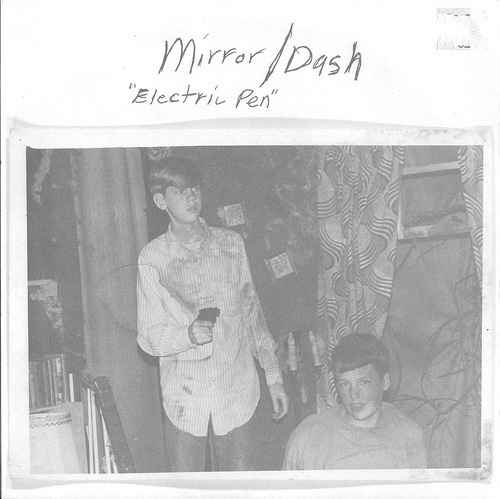
 View Artist