Song Meaning
{"song_id": 15416558, "meaning": "Michael Penn's \"Selfish\" operates as a brutally honest confession, dissecting the complex and often contradictory nature of desire and self-awareness. The repetition of \"I want you\" isn't merely an expression of longing; it's a demand, bordering on a primal need. The subsequent line, \"I want you to want to have it done to you,\" pushes the boundary further, revealing a yearning for reciprocation that verges on control. This immediately casts the singer in a potentially unflattering light, setting the stage for the titular admission. The declaration of being \"so selfish\" serves as both an apology and a justification. It's as if Penn is laying bare the inherent egoism that fuels human connection, particularly within the realm of romantic or sexual attraction.
The lyrics take a turn towards justification with the lines, \"I'm absorbed I am absolved / It's best that you don't get involved.\" This suggests an internal conflict, a recognition of the potentially damaging nature of his selfishness. He's simultaneously consumed by his own desires and seeking absolution for them. The warning to not get involved implies a protective instinct, perhaps born from a fear of hurting others or being hurt himself. This complexity elevates the song beyond a simple confession, hinting at a deeper psychological struggle. The phrase \"It is not conscious, be assured / And it's not like I haven't heard\" suggests an awareness of his flaws, even if he can't fully control them. He knows the criticism, but the impulse persists.
The final verses, with lines like \"In dust we end industrial / Virtuous or virtual,\" introduce a philosophical element. It's a reminder of mortality and the fleeting nature of existence, perhaps suggesting that in the face of ultimate oblivion, the pursuit of personal desires, however selfish, becomes a more understandable compulsion. The line, \"You might find a prince of men / Until that time my name is Penn,\" is both self-deprecating and assertive. He acknowledges the possibility of someone better, but until that idealized figure arrives, he's presenting himself as he is: flawed, selfish, but undeniably present. The repetition of \"selfish\" to the song's conclusion serves as a stark, unwavering self-assessment, refusing to offer easy resolution or redemption. This lyrical analysis reveals a song about the raw, unfiltered aspects of human desire and the struggle to reconcile those desires with the need for connection and self-awareness."}
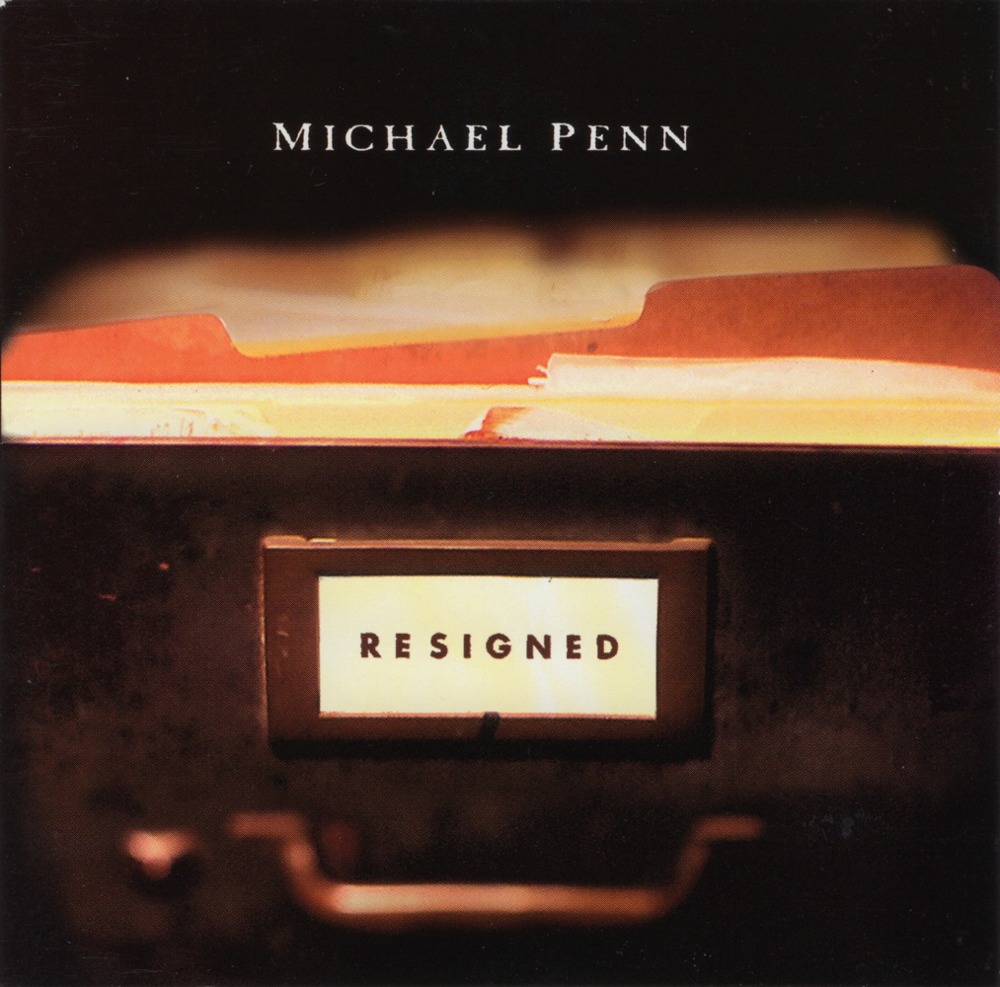
 View Artist