Song Meaning
The lyrics paint a picture of a world where people are trying to navigate existence with a strange mix of innocence and perceived threat. The opening lines, "Please trip them gently, they don't like to fall," suggest a delicate handling of others, perhaps those who are easily hurt or misunderstood. This is immediately juxtaposed with the folksy, almost dismissive "Oh by jingo," creating an odd tension between care and casualness. The narrator observes a societal performance, "painting our faces and dressing in thoughts," which is met with suspicion from an unnamed group who "think that we're holding a secretive ball." This hints at a fundamental misunderstanding between groups, where genuine expression is misconstrued as clandestine activity.
The central conflict seems to stem from a perceived division and judgment within humanity. The narrator posits that "Man is an obstacle, sad as the clown," a bleak assessment that finds solace in detachment: "hold on to nothing, and he won't let you down." This is contrasted with various modes of human interaction, from marching together to being "quite alone," and even the primal imagery of "smaller ones crawl." The recurring idea that these disparate groups are merely "taller children / That's all" or "older children / That's all" reframes conflict and division as a form of arrested development, a collective immaturity.
The narrator's own position is one of detached observation and artistic expression, singing with "impertinence, shading impermanent chords." There's a sense of apology for intruding, "I've borrowed your time and I'm sorry I called," yet a compulsion to share a sudden realization: "We're nobody's children / At all." This profound statement strips away external affiliations and parental authority, suggesting a state of ultimate self-reliance or perhaps cosmic abandonment. The final plea to "Live till your rebirth and do what you will" and to "Forget all I've said" underscores a desire for freedom from judgment and societal expectation, a radical embrace of individual will after acknowledging our shared, childlike state.
What makes these lyrics resonate is their ability to capture a feeling of alienation and the search for meaning in a world that seems prone to misunderstanding and division. The repeated phrase "After all" acts as a weary sigh, a concession to the persistent, underlying truths of human nature, however complex or contradictory they may be. The juxtaposition of childlike innocence with adult struggles, and the narrator's own ambivalent role as an observer and commentator, creates a poignant reflection on our shared, often awkward, journey through life.
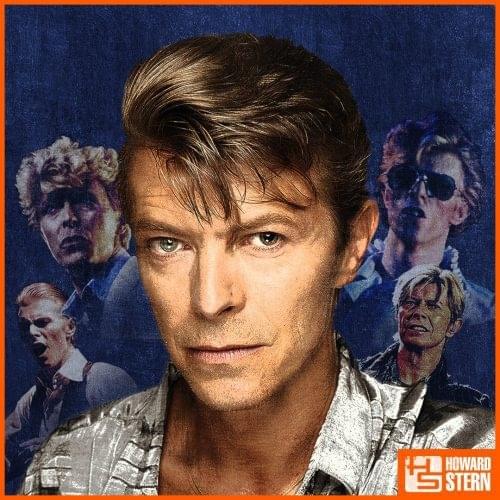
 View Artist