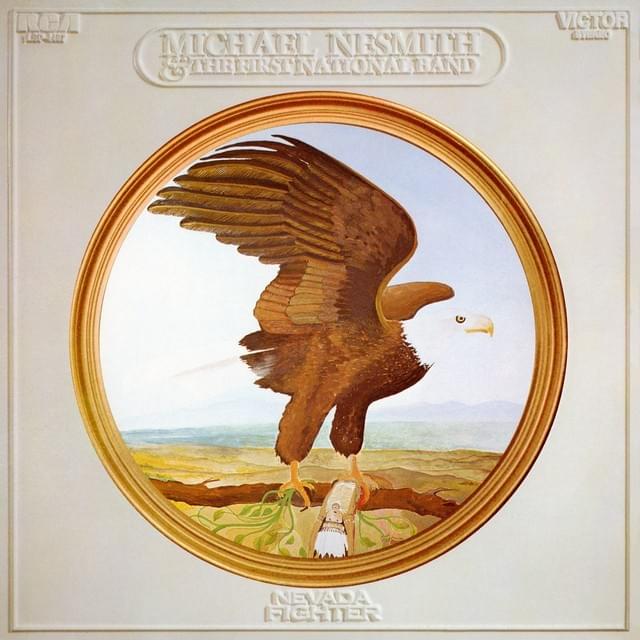
Song Meaning
{"song_id": 10579701, "meaning": "Michael Nesmith's \"Nevada Fighter\" isn't a literal tale of pugilism in the desert. Instead, it's a haunting portrait of abandonment and disillusionment, draped in the surreal imagery that characterized much of Nesmith's work. The \"Nevada Fighter\" of the title is a stand-in for anyone left behind, fighting a lonely battle against indifference and neglect. The cyclical nature of the verses, each echoing the phrase \"Nevada fights,\" reinforces the feeling of being trapped in a futile struggle. The fighter is \"left on the desert, out in the cold,\" and later \"left on the highway outside of town,\" underscoring the theme of isolation. There’s a sense of betrayal, too, in the lines about expecting help from \"Sam\" or \"someone,\" only to be met with silence.
The \"bygone, half-grown, high-flown cyclone rides\" serves as a recurring motif, a metaphor perhaps for the relentless passage of time or the unstoppable forces of change that sweep people aside. It's a cyclone that's both \"bygone\" and \"half-grown,\" suggesting something that's both a relic of the past and a looming threat. This ambiguity adds to the song's unsettling atmosphere. The interjection \"Woo, Mama, play it on a ram jam\" is a brief, almost desperate outburst of energy, a fleeting moment of release in an otherwise bleak landscape.
Ultimately, \"Nevada Fighter\" is a poignant commentary on the human condition, a reminder that even in a land of promise, many are left to fend for themselves. The \"lands of the people drying in the sun\" is a stark image of desolation, a powerful indictment of a society that fails to provide for its own. The song’s power lies in its ability to evoke a deep sense of empathy for those who are fighting their own lonely battles, unseen and unheard."}