Song Meaning
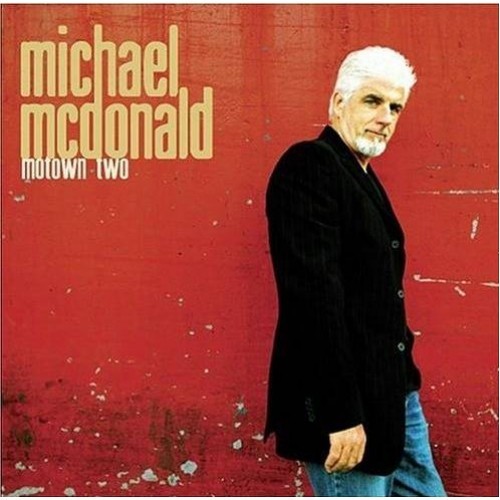
Michael McDonald's interpretation of "What's Going On" is less a cover and more a heartfelt plea echoing across generations. Stripped of its original Motown sheen, McDonald's version, driven by his signature soulful rasp, digs into the song's raw emotional core. The repeated calls to "Mother," "Brother," and "Father" aren't just familial; they're archetypal, representing humanity's collective yearning for peace and understanding. This isn't a passive observation of societal ills; it's an active demand for empathy. McDonald isn't just singing *about* the turmoil; he's actively participating in the dialogue. The song meaning, therefore, rests not just on the lyrics, but on the urgency in McDonald's delivery, a quality that elevates the song beyond mere tribute.
The references to "picket lines and picket signs" and the plea to "talk to me, so you can see" highlight the communication breakdown at the heart of conflict. It's a direct challenge to the "us vs. them" mentality that fuels division. This speaks to the human tendency towards tribalism, the psychological need to define oneself against an "other." McDonald's rendition cleverly avoids specific political affiliations, broadening the song's applicability to any situation where understanding is sacrificed for ideological purity. The line "who are they to judge us, simply because our hair is long" initially seems dated, but it is a pointed reminder of the superficial criteria used to justify prejudice, whether based on appearance, belief, or any other arbitrary marker of difference.
Ultimately, McDonald's rendition of "What's Going On" is a potent reminder that the search for peace is not a passive endeavor, but an active and continuous process. It is a call for radical empathy, for bridging divides through dialogue and understanding, even when faced with animosity. The repetition of "What's going on" becomes a mantra, a haunting question that lingers long after the song ends, challenging each listener to confront their own role in perpetuating or dismantling cycles of conflict. This lyrics analysis reveals the song as more than a protest anthem; it's a deeply personal and universally relevant expression of hope for a more compassionate world.
 View Artist