Song Meaning
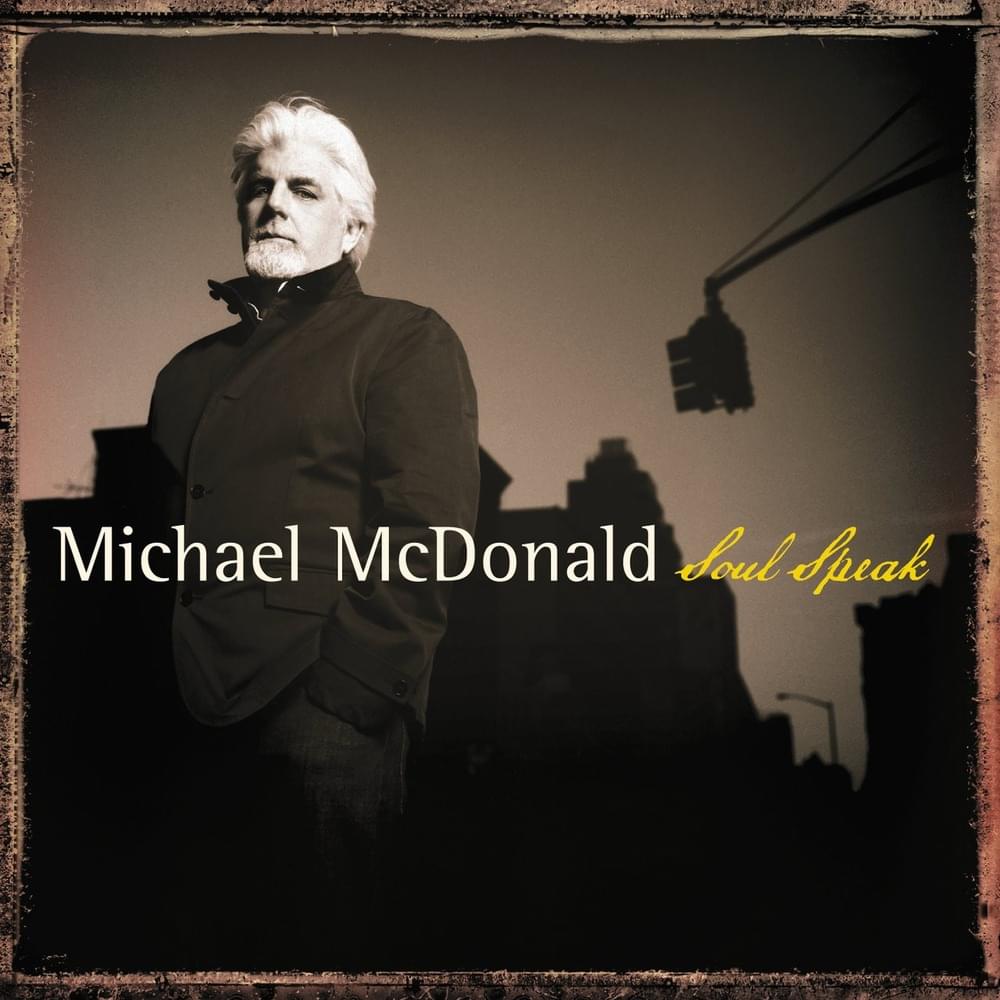
{"song_id": 14506385, "meaning": "Michael McDonald's interpretation of \"Redemption Song\" arrives freighted with the weight of history, both personal and collective. Stripped down to its essence, the song, regardless of performer, becomes a stark meditation on liberation. The opening verses, with their imagery of pirates and merchant ships, evoke the brutal reality of slavery and exploitation. But even in the face of such darkness, a defiant hope emerges. McDonald, like Marley before him, emphasizes the inherent strength and resilience of the oppressed, suggesting that their spirit, forged in adversity, allows them to flourish despite the circumstances thrust upon them. The reference to the 'hand of the Almighty' hints at a spiritual dimension to this fortitude, a belief in a higher power guiding them through suffering.
The core of \"Redemption Song,\" and the key to understanding its enduring power, lies in the call for mental emancipation. 'Emancipate yourselves from mental slavery; None but ourselves can free our minds' is not merely a lyric; it's an urgent imperative. It speaks to the insidious ways in which oppression can internalize, creating self-doubt and limiting potential. The song urges listeners to confront these internal barriers and reclaim their own agency. The mention of 'atomic power' serves as a reminder of the ever-present threat of external forces, but also underscores the idea that true freedom comes from within, a force that 'nothing can stem.'
Ultimately, Michael McDonald's rendition, and the original, is an invitation to participate in a collective act of resistance through song. The repeated refrain, 'Won't you help me sing these songs of freedom?' is a call to action, a recognition that the struggle for liberation is ongoing and requires a united front. The repeated lines underscore that the only inheritance, the only offering is the \"Redemption Song\" itself, a symbol of hope, resilience, and the unwavering pursuit of freedom, generation after generation. It's a song not just to be heard, but to be sung, shared, and lived."}
 View Artist