Song Meaning
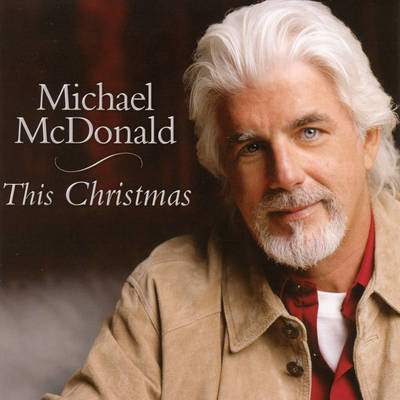
Michael McDonald's "Every Time Christmas Comes Around" isn't just eggnog and forced cheer; it’s a sophisticated reflection on how deeply ingrained cycles of comfort impact the psyche. The song meaning hinges on understanding Christmas as a psychological refuge, a pre-scripted return to joy when "old man winter" and "gray" days threaten. McDonald uses winter's gloom as a stark contrast, highlighting the deliberate effort to combat seasonal affective disorder through ritualized togetherness. The key isn't necessarily religious observance, but the active choice to connect: "It's the time that we look to each other / To raise our spirits and chase the blues away." This is Christmas as a collective coping mechanism, a socially sanctioned emotional reset.
The lyrics subtly acknowledge the manufactured nature of the holiday's forced happiness. McDonald sings, "It's all right I can't stop thinkin' 'bout it / It's a good life no time to be sad," suggesting a conscious effort to suppress negativity and embrace the prescribed joy. The "children's laughter and the snow on the ground" aren't just sensory details; they're triggers, Pavlovian cues designed to "start lifting my heart up baby." The brilliance lies in McDonald's unblinking awareness of this emotional manipulation, framing it not as cynical, but as a necessary and ultimately beneficial strategy.
Ultimately, "Every Time Christmas Comes Around" posits that these cyclical returns to comfort are vital for weathering life's inevitable storms. The repeated phrase underscores the dependable, almost addictive nature of holiday cheer. McDonald touches on themes of gratitude and connection, finding solace in enduring relationships: "So glad that we've still got each other / And this love is a gift we'll exchange." The song becomes a prayer for peace, not just in a global sense, but an internal peace found within the familiar embrace of tradition. It's a sophisticated articulation of how curated nostalgia can serve as a powerful antidote to existential dread.
 View Artist