Song Meaning
Michael Martin Murphey's "Will It Be Love by Morning" captures the raw vulnerability of a relationship teetering on the edge. It's a question whispered in the dark, a plea for reassurance amidst the intoxicating chaos of desire. The lyrics don't depict a comfortable, established love; instead, they paint a picture of a connection ignited with the force of "lightning on a summer night," sudden and potentially destructive. The singer grapples with uncertainty, wondering if this intense spark will fade with the dawn or transform into something genuine. The repeated question, "Will it be love by morning?" isn't just about physical intimacy; it's a deeper yearning for emotional validation and a fear of being merely a fleeting encounter.
The core of the song meaning lies in the speaker's internal conflict. There's a clear awareness of the potential for superficiality, as highlighted by the line, "Are we two fools performing?" This suggests a past filled with empty gestures and unfulfilled promises, fueling the anxiety that this time might be no different. The plea, "Tell me it's gonna be different this time," is both hopeful and desperate, revealing a longing for a love that transcends mere performance and becomes something real and lasting. The simple question, "What are we gonna call it then?" exposes the desire to define the relationship, to move beyond the ambiguity and into a space of mutual understanding and commitment.
The vulnerability intensifies with the conditional clauses: "If I give in?" and "If you hold me through the night." These lines underscore the risk involved in opening oneself up to another person. "Will It Be Love by Morning" isn't a celebration of love found, but an anxious inquiry into its possibility. The song's power resides in its honest portrayal of the doubt and fragility that often accompany the initial stages of intimacy. Ultimately, the song meaning explores the universal human desire for connection and the fear of being left with nothing but fleeting pleasure and unfulfilled expectations. It’s a question that lingers long after the music fades, prompting introspection about the nature of love and the courage it takes to truly believe in its potential.
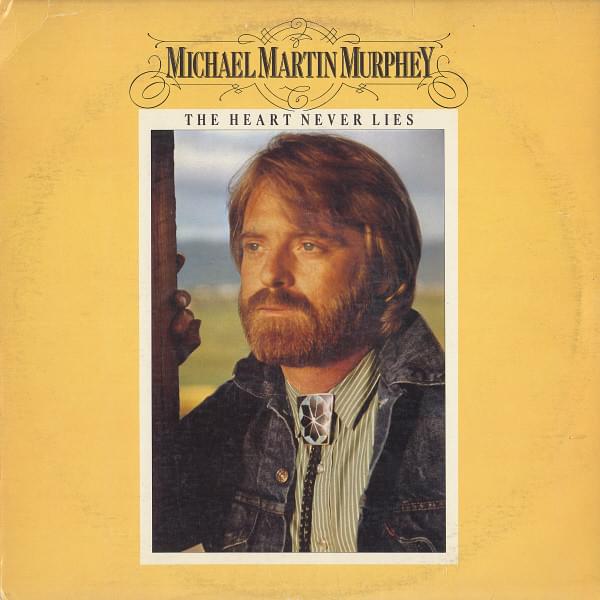
 View Artist