Song Meaning
Michael Martin Murphey's "What Am I Doing Here" isn't just a cowboy lament; it's a wry existential shrug set against the vastness of the American West. The song taps into the inherent contradictions of the cowboy mythos – the romantic ideal versus the brutal reality of hard labor and existential loneliness. Murphey paints a picture of a life defined by relentless toil: "Slavin' in the saddle all day," a thankless existence where "the days are too long and the nights are too short." It's a life stripped bare of romanticism, leaving only the gnawing question of purpose. The cowboy's complaint isn't just about the physical hardships; it's a deeper yearning for meaning, a spiritual disquiet that even the wide-open spaces can't soothe. He's not necessarily looking for an escape, but for a reason to endure. The repeated refrain, "What am I doing here Lord, what am I doing here," echoes the timeless human search for significance in the face of hardship.
The genius of the song lies in its subtle shift in perspective. The cowboy's questioning morphs into a divine observation, where even God seems perplexed by the cowboy's dissatisfaction. "I thought I gave the cowboy a pretty good life / Now he's complaining 'till the day he dies." This divine bewilderment adds another layer to the song's meaning. Is the cowboy ungrateful, or is his yearning a testament to the human spirit's insatiable need for something more than mere survival? The song doesn't offer easy answers, instead highlighting the inherent tension between earthly existence and spiritual longing.
Ultimately, "What Am I Doing Here" resonates because it speaks to a universal feeling of displacement and the search for purpose. It's a cowboy song, yes, steeped in the imagery of the American West. But it’s also a meditation on the human condition, a poignant exploration of the gap between expectation and reality, and a recognition that even in the seemingly simplest of lives, the biggest questions still loom large. Murphey's genius is in making that feeling of existential questioning both deeply personal and universally relatable.
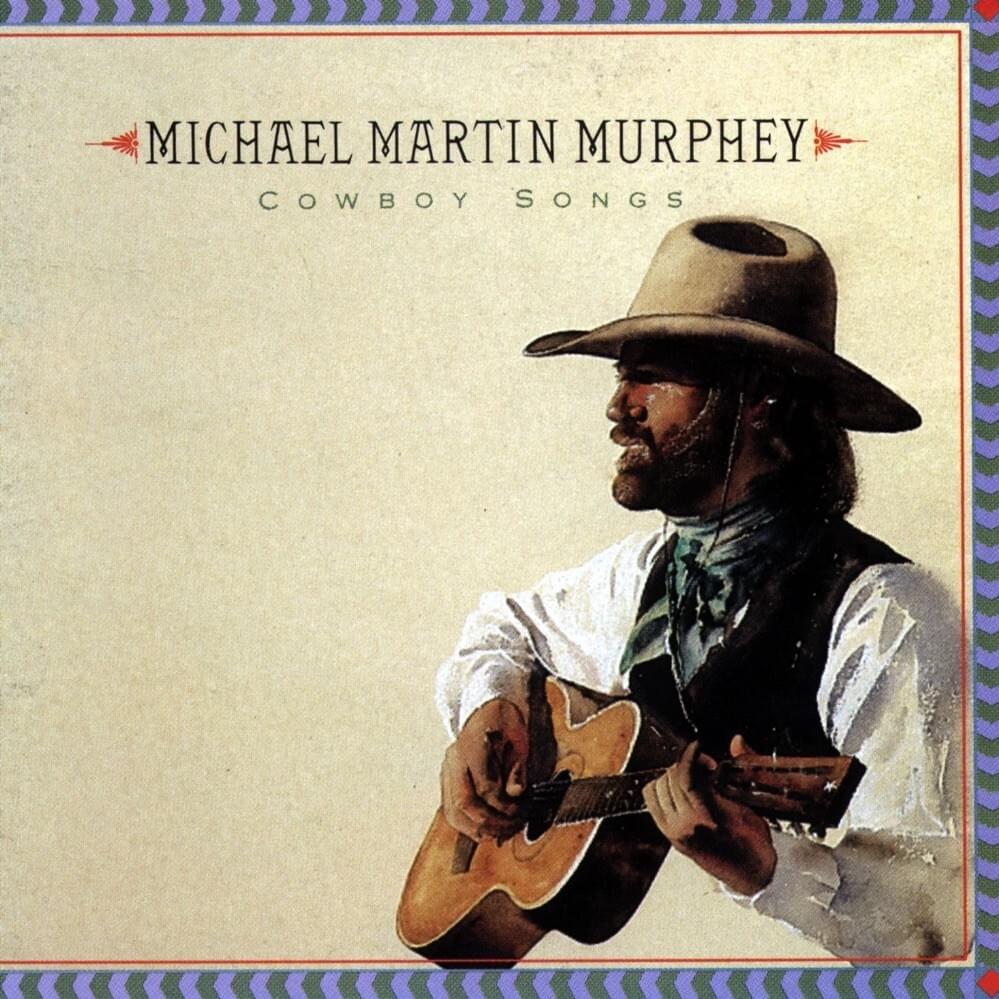
 View Artist