Song Meaning
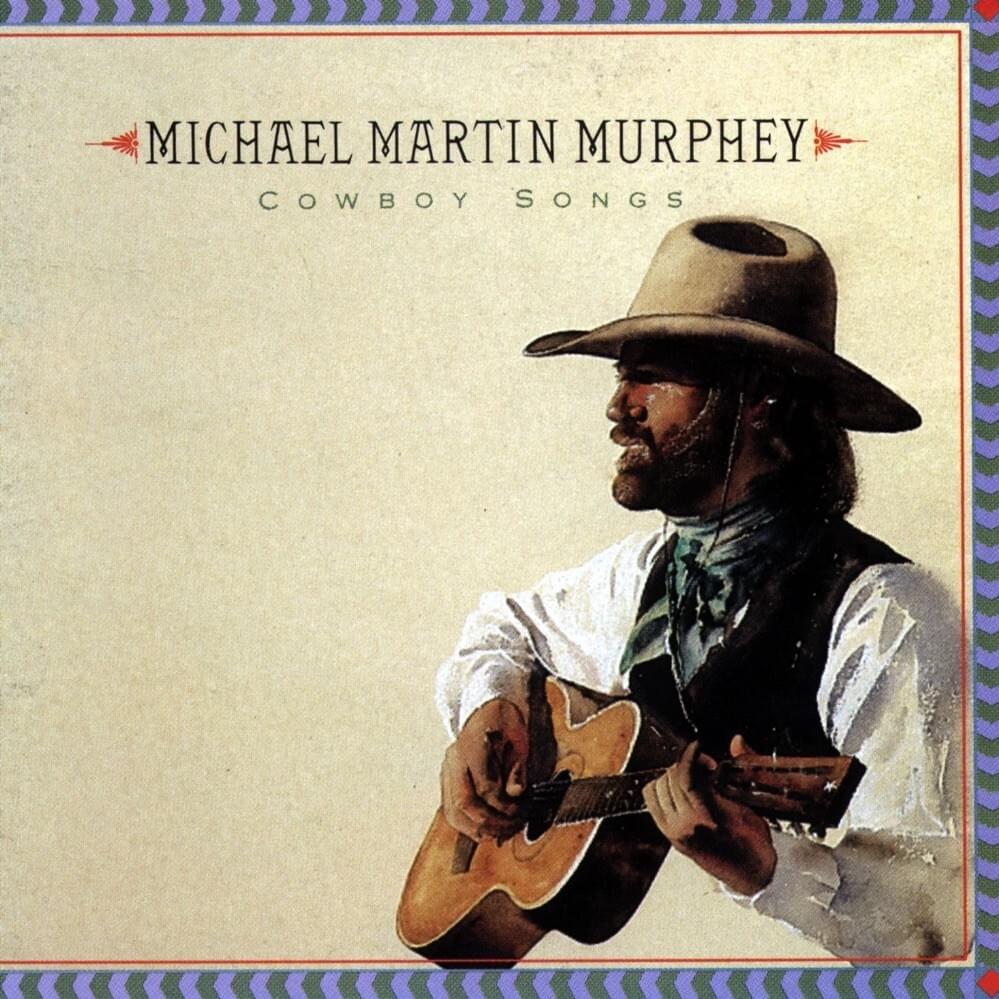
Michael Martin Murphey's rendition of "Tumbling Tumbleweeds" isn't just a Western tune; it's a psychological portrait of freedom found in solitude. The song uses the tumbleweed as a central metaphor. These desert wanderers, unrooted and directionless, mirror the roaming cowboy's life. But it's not a lament. The lyrics reveal a conscious choice: "Lonely but free I'll be found." This isn't imposed isolation; it's embraced autonomy. The tumbleweeds 'pledge their love to the ground,' a grounding perhaps antithetical to the cowboy's lifestyle, yet he finds kinship in their drifting existence. He finds beauty even in this rootless state.
The song subtly explores themes of past trauma and future hope. The lines "Cares of the past are behind / Nowhere to go but I'll find / Just where the trail will wind" suggest an escape, a deliberate act of leaving behind burdens. The open road isn't just geography; it's a path toward self-discovery, a shedding of societal expectations. The promise of a 'new world' at dawn reinforces this sense of rebirth and the potential for reinvention inherent in a nomadic existence. The act of 'rolling along' is not just physical movement, but a commitment to forward momentum, psychologically shedding the past.
Ultimately, Michael Martin Murphey paints a picture of contentment within a self-imposed exile. The cowboy's 'song' and the tumbleweeds' drifting are not signs of despair, but rather expressions of belonging – belonging not to a place or people, but to a state of being. The range becomes a sanctuary, a place where the individual finds harmony with the natural world and, more importantly, with their own soul. It's a romantic vision, perhaps, but one that resonates with the deep-seated American desire for independence and the courage to define one's own path, even if that path is as unpredictable as the wind that carries the tumbling tumbleweeds.
 View Artist