Song Meaning
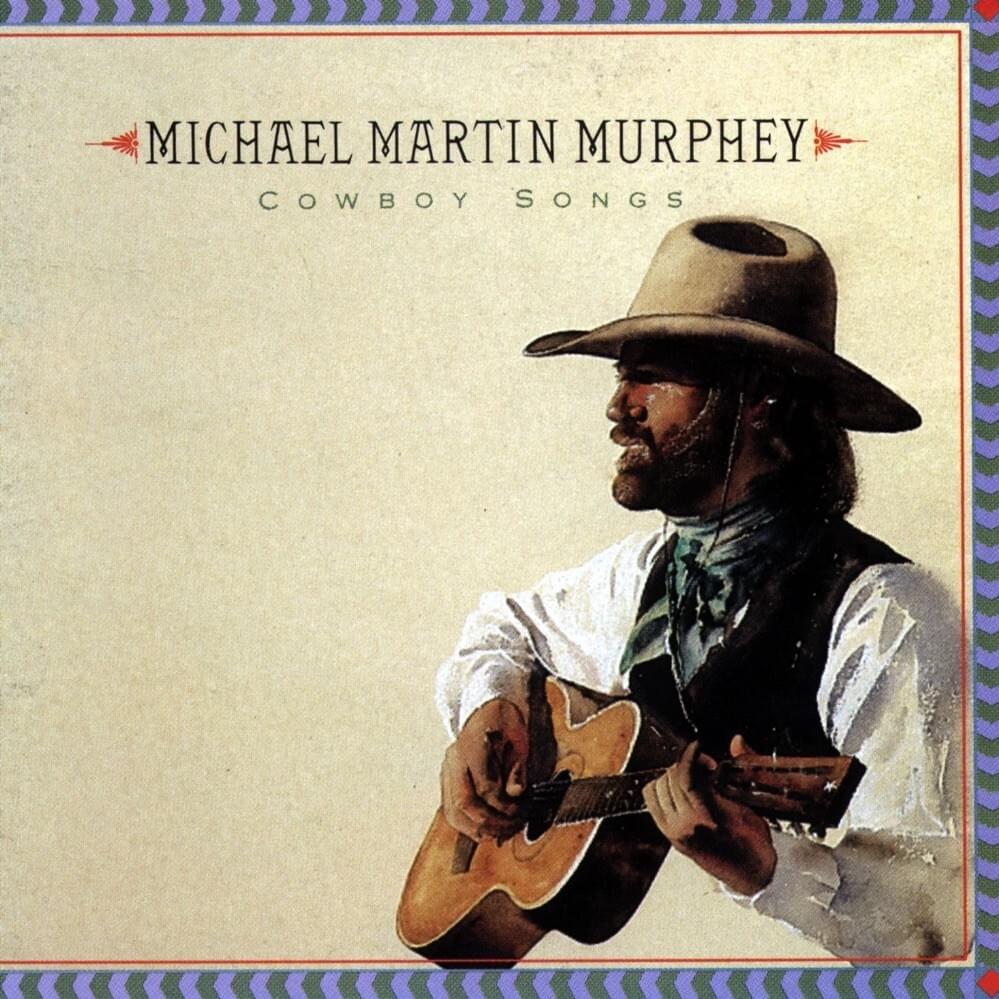
Michael Martin Murphey's rendition of "The Yellow Rose of Texas" isn't just a sentimental Civil War-era ballad; it's a complex portrait of longing, idealized love, and regional pride. At its core, the song meaning revolves around a soldier's yearning for a specific woman, elevated to an almost mythical status. The 'yellow rose' isn't simply a lover; she's a symbol of home, comfort, and a connection untouched by the war's brutality. The lyrics paint her as unique and precious ('No other soldier knows her/No soldier, only me'), suggesting a bond that transcends the shared experiences of military life. This possessive affection hints at a deeper psychological need for individual recognition and a safe haven in a chaotic world.
Beyond the romantic element, the song subtly weaves in themes of regional identity and defiance. The soldier's dismissive comparison of his 'Yellow Rose' to the 'belles of Tennessee' underscores a sense of Texan exceptionalism. This isn't just about preferring one woman over others; it's about asserting the superiority of Texan ideals and values. The later reference to 'Gallant Hood of Texas' further reinforces this regional pride, aligning the soldier's personal longing with a broader sense of loyalty to his home state. The contrasting image of the soldier's 'heart is feeling weary/And my head is hanging low' suggests a profound emotional toll, making the idealized 'Yellow Rose' an even more crucial anchor.
Ultimately, "The Yellow Rose of Texas," as performed by Murphey, is a multi-layered exploration of human desires in the face of conflict. It's a song about the need for individualized connection ('No soldier, only me'), the psychological refuge found in idealized love, and the enduring power of regional identity as a source of strength and belonging. The 'Yellow Rose' becomes more than a woman; she represents a constellation of emotional needs and cultural values that sustain the soldier's spirit amidst the turmoil of war.
 View Artist