Song Meaning
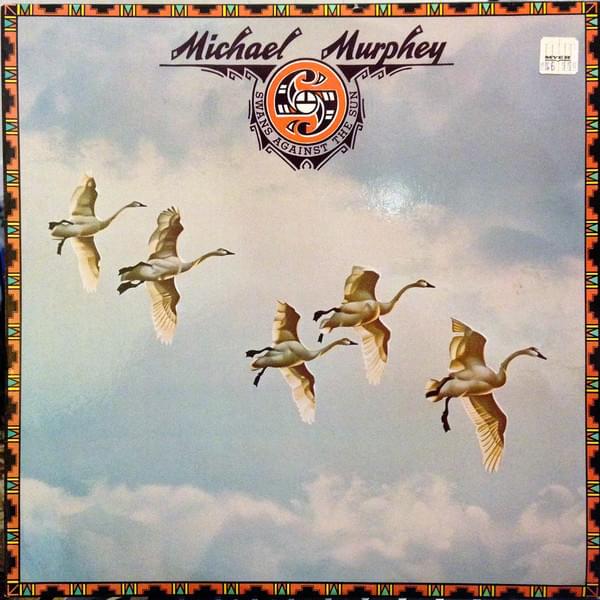
Michael Martin Murphey's "Swans Against the Sun" isn't just a pretty folk song; it’s a concise meditation on freedom, individuality, and the inherent tension between love and self-preservation. The recurring image of the wild swan becomes a potent symbol for a spirit that resists domestication, choosing instead the challenging path of soaring "against the sun." This isn't blind rebellion, but a conscious embrace of a life lived on one's own terms, even if it means facing hardship and societal disapproval. The "wild grace" of the swan represents an untamed beauty, something both alluring and slightly dangerous, existing outside conventional norms. It's the kind of grace that can't be taught, only embodied.
Murphey cleverly juxtaposes this fierce independence with the human longing for connection. The lyrics allude to a fear of intimacy, a sense that love might clip the wings of the free spirit. "Some say love goes one way / And then one day no more flight," he sings, hinting at the sacrifices often demanded in relationships. The song doesn't condemn love outright, but it acknowledges the inherent conflict between merging with another and maintaining one's unique identity. The "love of chaos / Love of one" suggests a desire for both freedom and belonging, a duality at the heart of the human experience.
Ultimately, "Swans Against the Sun" finds its power in its ambiguity. It offers no easy answers, instead presenting a portrait of a soul grappling with fundamental questions of existence. The "bright storms" and "rising free forms" evoke a sense of dynamic energy, a constant state of becoming. The song's meaning resides not in a definitive statement, but in the ongoing struggle to reconcile the wildness within with the desire for connection, a tension that makes the image of the swan soaring against the sun so compelling.