Song Meaning
Michael Martin Murphey's "River of Time" isn't just a country lament; it's a masterclass in the slow, agonizing process of emotional recovery. The opening lines immediately establish a stark reality: love persists even in the face of irrevocable loss. It's a mature, unflinching look at the aftermath of a relationship, acknowledging the enduring connection while simultaneously grappling with its absence. Murphey doesn't wallow in self-pity, but rather sets his sights on a distant horizon of healing. The repeated assertion that "nothing I can say or do can undo what's done" is a critical turning point, an acceptance that paves the way for the arduous journey ahead. The stolen heart, a classic trope, gains a layer of complexity here. It's not just about romantic longing; it's about the theft of a part of oneself, a void that needs to be reclaimed, "some day."
The central metaphor of the "river of time" is both comforting and challenging. Time, personified as a river, becomes the agent of healing, promising eventual forgiveness and peace of mind. The image of staying "afloat on the tears that I've cried" is particularly striking, suggesting that even sorrow can be a source of resilience. It’s a raw admission of pain transformed into a vehicle for survival. The subtle shift from "I'll never be over you" to "just over the pain" is crucial. It acknowledges the permanence of love's imprint while focusing on mitigating its debilitating effects. Murphey isn’t promising a complete erasure of the past, but rather a transcendence of its immediate anguish.
Ultimately, the song's meaning lies in its unflinching honesty about the messy, non-linear nature of grief. The "moments of hope" amidst the "hours of rain" are not grand pronouncements of recovery, but rather fleeting glimpses of light that sustain the narrator through the darkness. The act of counting these moments, "till I start to lose track," speaks to the repetitive, almost ritualistic nature of healing. The repetition of "down the river of time" at the song's close reinforces the idea of surrender – not to despair, but to the inevitable flow of time and its potential for eventual solace. It's a song for anyone who has loved and lost, a reminder that even in the deepest currents of sorrow, the river of time continues to flow, carrying us, however slowly, toward a distant shore.
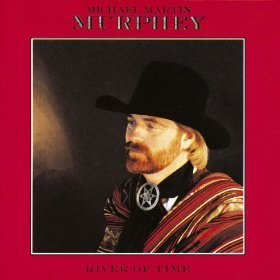
 View Artist