Song Meaning
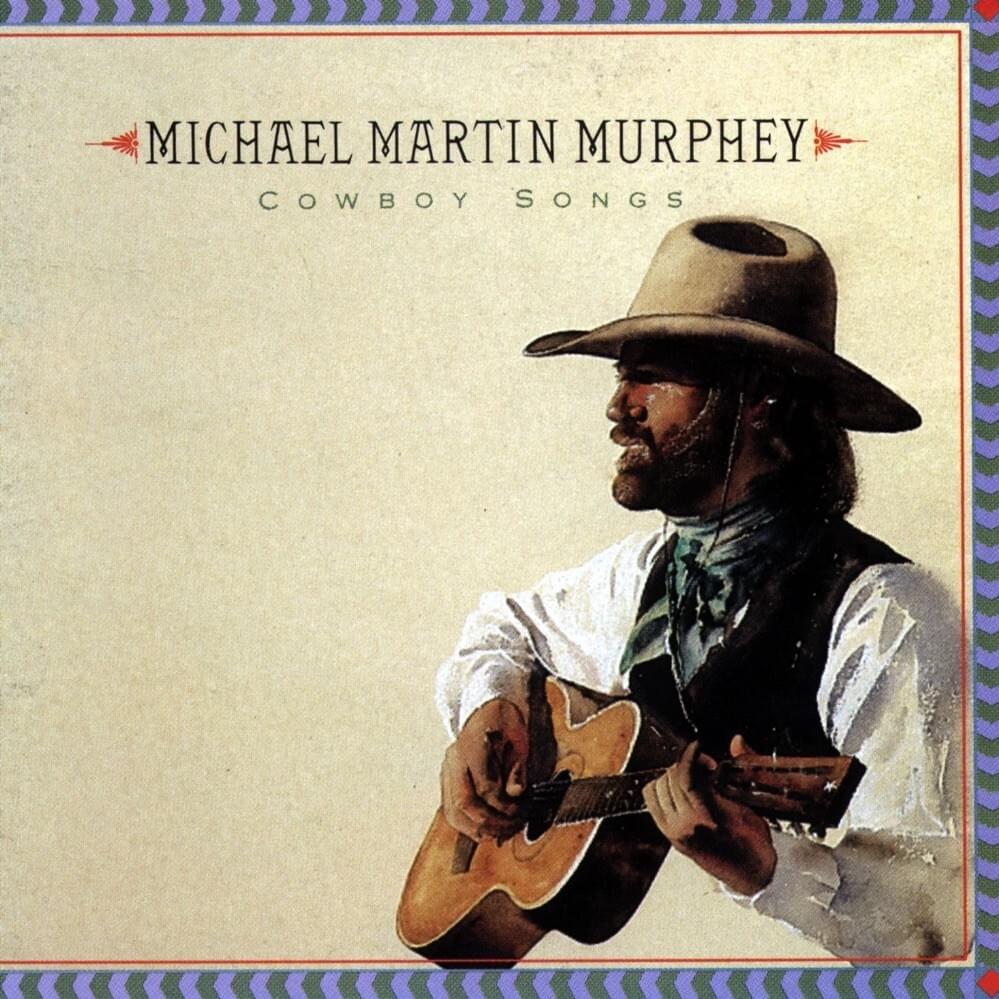
Michael Martin Murphey's "Goodbye Old Paint" isn't just a cowboy tune; it's a compressed study in the psychology of leaving. The repeated phrase, "Goodbye, old Paint, I'm a-leavin' Cheyenne," functions less as a farewell to a horse and more as a mantra, a verbal processing of a necessary departure. The horse, 'Paint,' becomes a symbol of the life being left behind, a familiar comfort that the speaker must consciously sever ties with to move forward. The simplicity of the lyrics belies the complexity of the emotional landscape. Why is he leaving? The song offers no explicit reason, only the insistent declaration of departure.
This absence of explanation is key. It forces the listener to consider the *act* of leaving itself, rather than the justification for it. Is it a flight from something—failure, heartbreak, stagnation? Or a pursuit of something new—opportunity, adventure, self-discovery in "Montan'?" The line, "I'm gonna be glad to get out of this town," hints at a sense of relief, suggesting Cheyenne has become a psychological cage. The loaded wagon rolling away acts as a potent image of burdens, both literal and figurative, being carried away from the past.
The song's cyclical structure, returning again and again to the goodbye refrain, mirrors the internal monologue of someone wrestling with a major life change. It's the sound of someone trying to convince themselves that they're doing the right thing, steeling themselves for the unknown. "Goodbye Old Paint" captures the bittersweet ache of leaving, the simultaneous sense of loss and liberation that defines the human experience of moving on. It's a deceptively simple song about the universal, complicated act of saying goodbye and heading toward a new horizon, whatever that may be.
 View Artist