Song Meaning
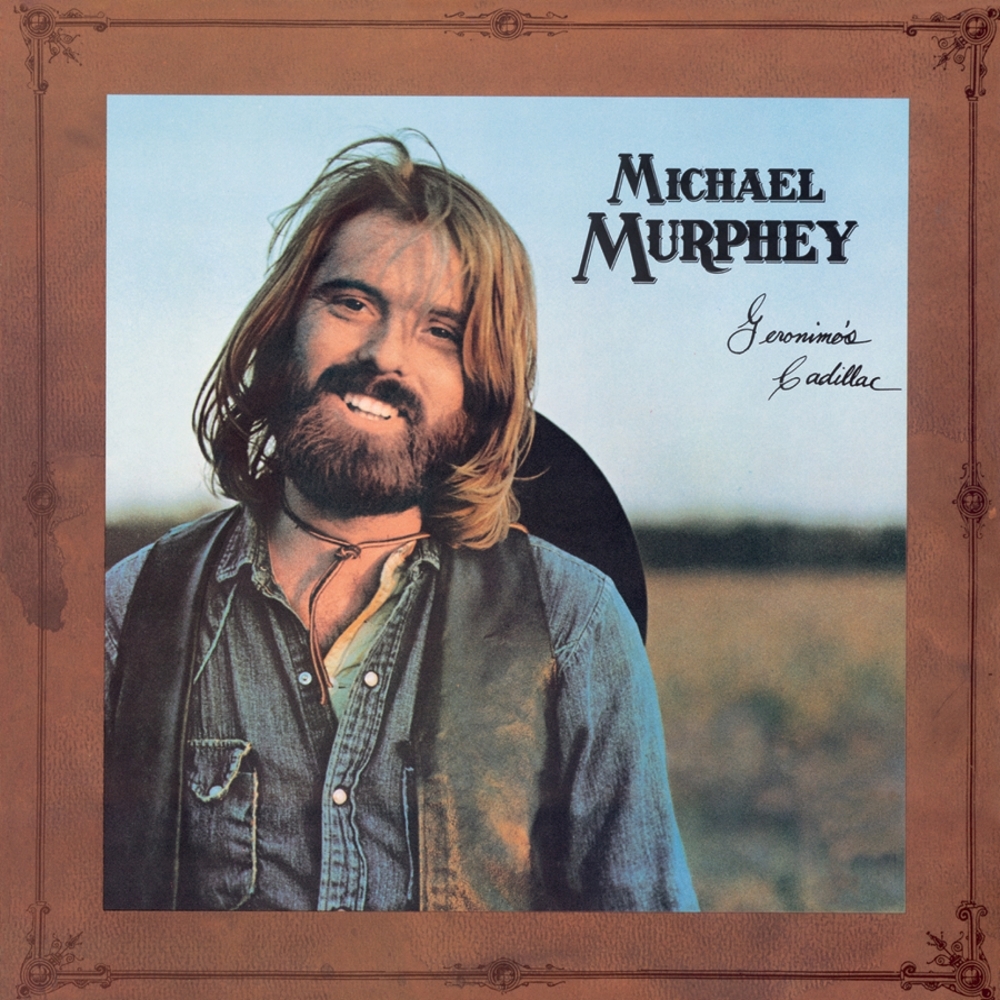
Michael Martin Murphey's "Geronimo's Cadillac" isn't just a catchy chorus; it's a barbed critique of American history, viewed through the lens of cultural appropriation and broken promises. The titular Cadillac, a symbol of modern American luxury, becomes a twisted offering to a man who represented resistance against westward expansion and the systematic dismantling of Native American culture. The song immediately establishes a sense of injustice, with Geronimo imprisoned and unable to even "look the gift horse in the mouth" – a phrase suggesting suspicion and inherent distrust of the supposed generosity of the dominant culture. Murphey cleverly uses direct address to authority figures – sergeants, governors, wardens – to highlight the systemic nature of the oppression. These figures, representing different levels of power, are questioned about the absurdity of the situation, emphasizing the disconnect between the romanticized image of the "Indian range" and the reality of Geronimo's confinement.
The chorus, a seemingly simple desire to "ride in Geronimo's Cadillac," takes on a deeper, more ironic meaning. It's not just about wanting to experience the luxury, but about reclaiming a piece of what was lost. The Cadillac, in this context, represents a hollow victory, a superficial attempt to compensate for the profound loss of land, freedom, and cultural identity. The lyrics point to a deeper wound with the couplet "Took all his land, now they won't give it back/And they sent Geronimo a Cadillac", suggesting that material compensation can never truly replace what was taken.
Ultimately, "Geronimo's Cadillac" functions as a potent commentary on the complexities of American history and the ongoing struggle for justice and recognition. The song's seemingly lighthearted melody belies a profound message about the ways in which dominant cultures attempt to reconcile with their past actions, often through superficial gestures that fail to address the root causes of injustice. The song's staying power lies in its ability to make listeners question the narratives they've been taught and to consider the perspectives of those who have been historically marginalized.
 View Artist