Song Meaning
The lyrics paint a picture of a society that, despite technological advancement, remains fundamentally stuck in old patterns of flawed worship and misplaced faith. The narrator observes that the "high-tech eighties" haven't solved "an age old problem," suggesting a superficial progress that masks deeper, persistent issues. This sets up a critique of modern idolatry, where humanity creates its own deities from its own creations, a cycle that seems destined for failure.
The central tension lies in humanity's desire for a "God of convenience" – one that requires "no strings attached" and is fashioned by "human hands." This pursuit is framed as futile, a "match" that will ultimately prove inadequate against genuine spiritual or existential needs. The lyrics imply a rejection of self-made idols, from "golden calves for the age" to abstract concepts built by "the words of their hands," highlighting a persistent human tendency to worship the products of their own labor rather than something transcendent.
The most striking recurring image is the repetition of "The blind are still leading the blind." This phrase, appearing multiple times, underscores a profound lack of true vision or understanding within society. The narrator seems to be questioning whether humanity is merely repeating the mistakes of the past, perhaps referencing the biblical story of Babel, where human ambition led to divine intervention and confusion. The "brick that we've laid to honor ourselves" is presented as ultimately transient, destined to "turn to dust," reinforcing the idea that self-aggrandizing endeavors lack lasting substance.
This lyrical construction is effective because it uses stark, almost biblical imagery to critique contemporary society. The contrast between the "high-tech" era and the "age old problem" creates a sense of irony, while the repeated refrain of the blind leading the blind serves as a powerful, almost accusatory, call to awareness. The lyrics suggest that true insight requires looking beyond manufactured solutions and self-made gods, urging a re-evaluation of what humanity truly values and worships.
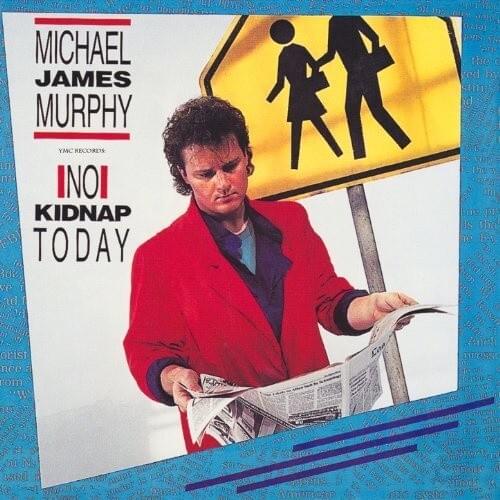
 View Artist