Song Meaning
The narrator confronts a doctor, not for a physical ailment, but for an existential one, pleading for clarity on a lifetime of observation. The opening lines immediately establish a weary perspective, suggesting years of witnessing hardship and fear without outward emotional response. This stoicism, however, has apparently led to a profound disconnect, prompting a desperate need for understanding and a diagnosis of sorts.
The core tension arises from the narrator's commitment to seeing 'the evil and the good without hiding,' a conscious choice to remain open to the world's complexities. Yet, this unwavering gaze seems to have come at a cost, leaving them questioning if their openness was a mistake. The plea to the doctor isn't for a cure, but for an explanation of why this prolonged exposure has led to a feeling of being trapped, a sense that time is slipping away.
The lyrics powerfully articulate a dawning realization of lost time and missed opportunities. The line 'I never noticed them until I got this feeling / That it's later than it seems' is a stark admission of passive observation turning into regret. This shift from simply seeing to *feeling* the weight of time underscores the emotional consequence of their lifelong 'open eyes.' The final image of not being able to 'see the sky' and questioning if this blindness is the 'prize for having learned how not to cry' is a devastating encapsulation of the perceived trade-off between emotional resilience and genuine connection to life.
This song resonates because it taps into a universal fear of living passively and the anxiety that comes with realizing one has been merely existing. The narrator's direct address to the 'Doctor' creates an intimate, almost confessional tone, making their existential crisis feel deeply personal yet eerily familiar. The carefully chosen imagery, from the 'slow parade of fears' to the inability to 'see the sky,' crafts a potent emotional landscape of regret and a desperate yearning for insight before it's truly too late.
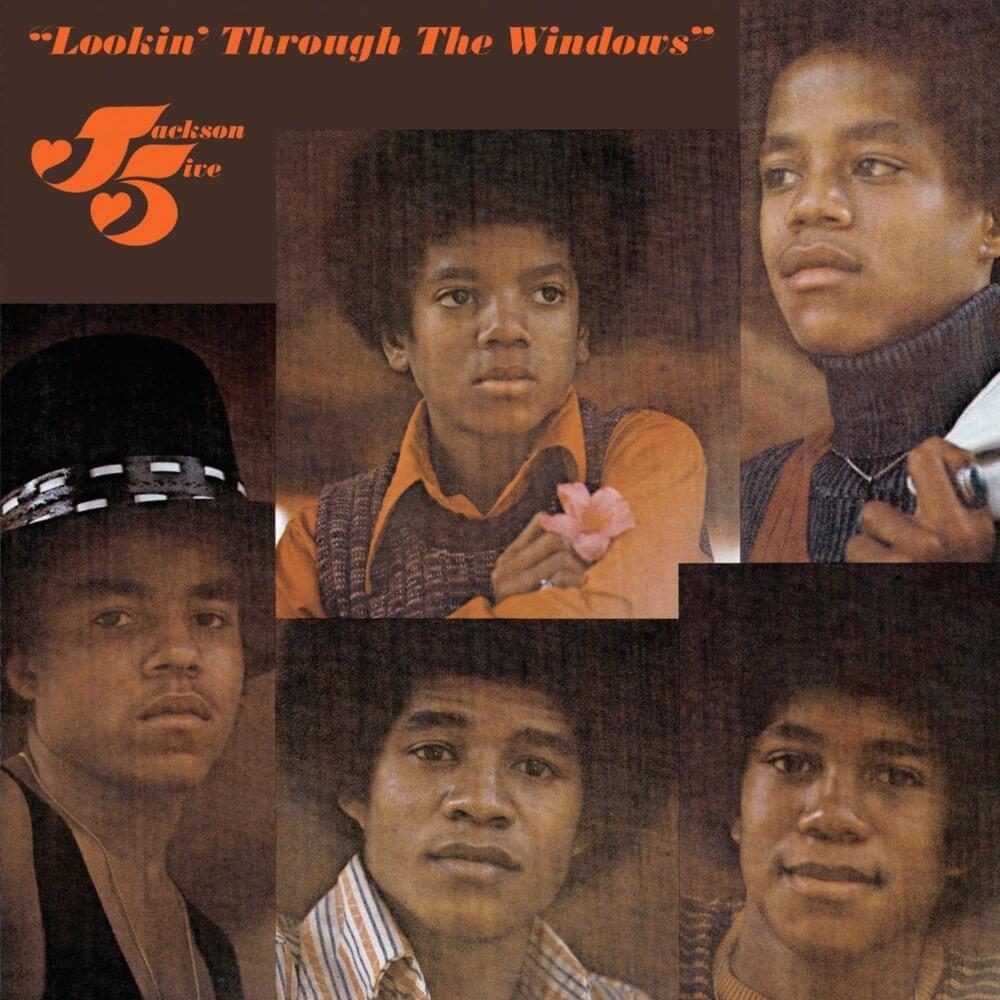
 View Artist