Song Meaning
The lyrics paint a picture of quiet, almost stagnant devotion, tinged with an undercurrent of existential dread. The narrator is waiting, with "no place to go" and dwindling "hope." This isn't a vibrant, active love, but a patient, almost resigned presence, suggesting a shared struggle against an unnamed external force or internal despair. The repetition of "it just disappears" and "it just evaporates" hammers home a sense of loss and futility that the narrator seems to be enduring alongside someone else.
The central tension lies in the narrator's unwavering commitment despite the apparent lack of progress or positive reinforcement. They offer a sanctuary: "Close your tired eyes / No one can hurt you here / You will be safe with me." This promise of safety contrasts sharply with the fading hope and the passage of time, where "Days fade into night / Weeks bleed into the months." The narrator's steadfastness feels like a shield against an encroaching darkness, a deliberate choice to remain present even as their own hope wanes.
The most striking element is the chorus's paradoxical reassurance. The narrator repeatedly states, "No one does it like you do," a phrase typically associated with admiration for unique positive qualities. Here, however, it's framed by scenarios of failure or departure: "If by chance I don't come through" or "If you decide that I should go." This suggests the unique quality being referenced is not necessarily skill or charm, but perhaps a shared capacity for enduring hardship, or even a specific way the other person handles pain or absence. The narrator absolves the other person of blame, implying their unique way of being is what makes this difficult situation bearable, or perhaps inevitable.
This lyrical construction is effective because it taps into a specific kind of quiet desperation and loyalty. It’s not about grand gestures, but about the profound, almost grim, act of simply *being there* when everything else is falling apart. The ambiguity of the "test" and "greater callers" leaves the listener to project their own struggles onto the narrative, making the narrator's offer of safety and their unique, unblameable devotion feel deeply resonant in moments of personal crisis.
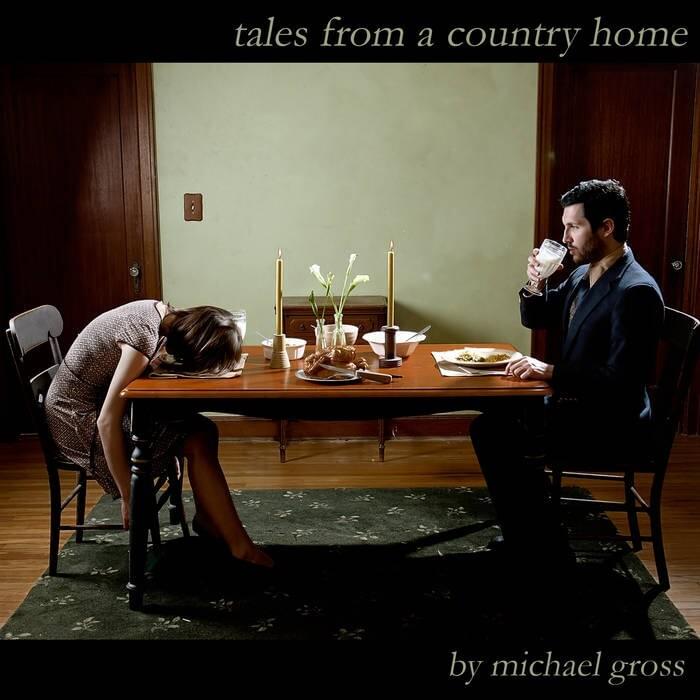
 View Artist