Song Meaning
Michael Franti's "A Minute's All I Need" isn't just a plea; it's a sonic distillation of longing, paradoxically packaged in a sound that suggests impermanence. The titular "minute" becomes a microcosm of a relationship teetering on the edge, a fragile space where vulnerability and the fear of vanishing collide. Franti lays bare the ache of disconnection, lamenting the absence of intimacy and the sleepless nights haunted by mutual pain. It's a sentiment many can relate to, that feeling of needing just a sliver of time to express a complex emotional truth before fading back into the background. The ephemeral nature of the offer—"I'm here and then I disappear from view"—hints at a deeper anxiety about presence and absence in a relationship strained by unspoken tensions.
The core of the song meaning resides in its series of similes, each a visceral and often contradictory expression of love. Franti doesn't offer saccharine declarations; instead, he equates his affection to the desert's thirst for rain, a raw, desperate need. He then juxtaposes this with darker imagery: "I love you like alcohol loves pain," suggesting a love intertwined with self-destructive tendencies, a familiar pattern in relationships where comfort and anguish become blurred. This complexity is further amplified by comparing love to fighting, hinting at a volatile dynamic where passion and conflict are inextricably linked. These aren't Hallmark card sentiments; they are the messy, complicated realities of human connection.
The repetition of "Don't forget me when I'm gone / Don't you let me be gone too long?" transforms the song into a poignant meditation on memory and the fear of oblivion. It speaks to the universal human desire to leave a lasting impact, to be remembered even after we've faded from someone's life. The simplicity of the lyrics, combined with Franti's earnest delivery, creates a powerful emotional resonance, suggesting that sometimes, a minute is all it takes to convey the depth of our feelings, and to beg for a place in someone's memory. The song, ultimately, is a study in emotional economy: how much can be packed into the smallest unit of time and language when the stakes are connection and remembrance.
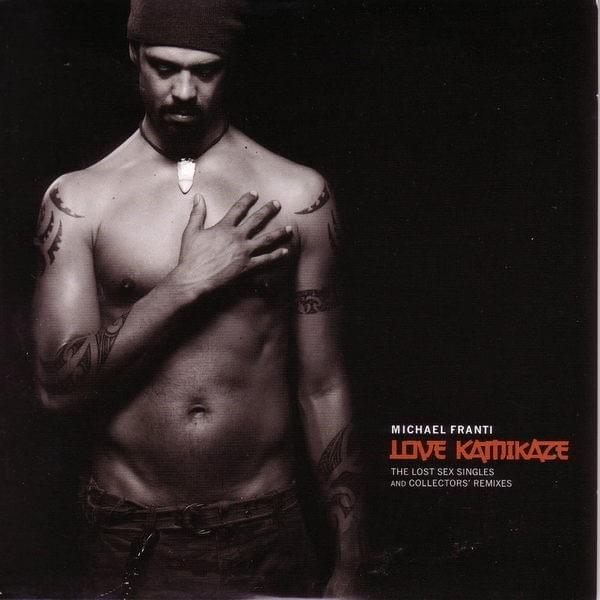
 View Artist