Song Meaning
Michael Franks's "Sometimes I Just Forget To Smile" is a masterclass in urbane melancholy, a smooth jazz lament for the soul-crushing absurdities of modern life. The song's deceptively breezy surface belies a deeper cynicism, a weariness born from the constant barrage of minor annoyances and blatant displays of wealth that characterize the Los Angeles landscape. Franks isn't just observing; he's internalizing the everyday chaos, the "earthquakes" and "bug breaks" that chip away at his ability to find joy. The opening verse paints a vivid picture of urban decay and traffic-induced stress, a desire to escape the rat race and retreat into a simpler existence. It's a feeling many can relate to, that gnawing sense of being overwhelmed by the relentless pace of modern existence.
The chorus, with its references to "Rolls Royce Hip" cruising down Sunset Strip, highlights the stark contrast between the haves and have-nots, the ostentatious displays of wealth that can feel particularly grating when one is already feeling down. The comparison to "pharaohs down the Nile" underscores the timeless nature of this inequality, the feeling that some are simply born to privilege while others struggle to make ends meet. The mention of "Peter Rabbit" and "Disney crocodiles" introduces a note of childlike innocence corrupted, a sense that even the simple pleasures of youth have been tainted by the pervasive cynicism of adulthood. It's a pointed commentary on the loss of wonder and the struggle to maintain a sense of optimism in a world that often feels designed to grind us down.
Ultimately, "Sometimes I Just Forget To Smile" isn't a call to despair, but rather a recognition of the very real challenges of maintaining emotional equilibrium in a chaotic world. The keyboard solo offers a moment of respite, a brief escape from the lyrical narrative into pure musical expression. The final chorus, with its references to "movie stars" and "Jane-and-Tarzan," suggests a critique of the entertainment industry's superficiality and the pressure to constantly perform, to "run the three-minute mile" of fame and success. The song's enduring appeal lies in its honest portrayal of the human condition, the quiet struggle to find moments of joy and connection amidst the noise and distractions of everyday life. It’s a reminder that it's okay to not always be okay, and that sometimes, simply acknowledging the difficulty is enough.
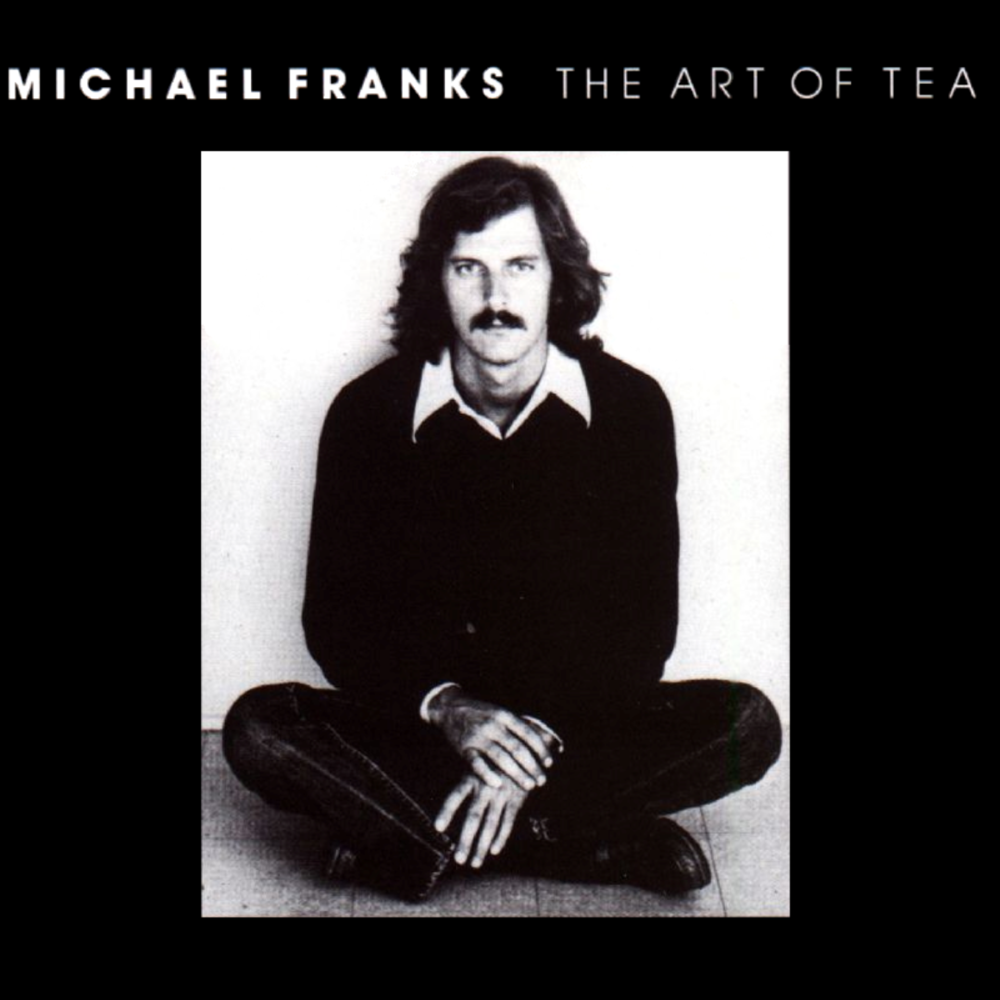
 View Artist