Song Meaning
Michael Feinstein's rendition of "The Song Is You" isn't just a love song; it's an intimate portrait of idealized infatuation, a psychological study in projection. The lyrics don't describe a relationship as it *is*, but rather the idealized version the narrator constructs within his own mind. The repeated phrase "I hear music" isn't literal, but a metaphor for the rush of dopamine and endorphins that flood the brain when experiencing attraction. The "beautiful theme of every dream" suggests this person embodies the narrator's deepest romantic fantasies. It's not about who *they* are, but who he *needs* them to be. This inherent subjectivity is what makes the song so emotionally potent, and perhaps, a little unsettling.
The most revealing lines center around the narrator's inability to express these feelings. "Ah, must it be forever inside of me? Why can't I let it go? Why can't I let you know?" This internal struggle speaks volumes. The fear of vulnerability, the potential for rejection, and the possibility that the real person won't live up to the imagined ideal all contribute to this paralysis. He's trapped in a self-imposed prison of admiration, unable to bridge the gap between fantasy and reality. The music, the "lovely strain" and "glad refrain," remains a private, almost sacred experience, too fragile to be exposed to the light of day.
Ultimately, "The Song Is You" becomes an exploration of the human tendency to create narratives around our desires. The "beautiful rhapsody of love and youth and spring" isn't necessarily a reflection of the other person, but rather a reflection of the narrator's yearning for those very qualities in his own life. The line "The music is sweet, the words are true" is delivered not as an objective fact, but as a desperate assertion, a self-convincing mantra designed to solidify the illusion. The song's beauty lies in its honesty about the intoxicating, and sometimes isolating, nature of idealized love.
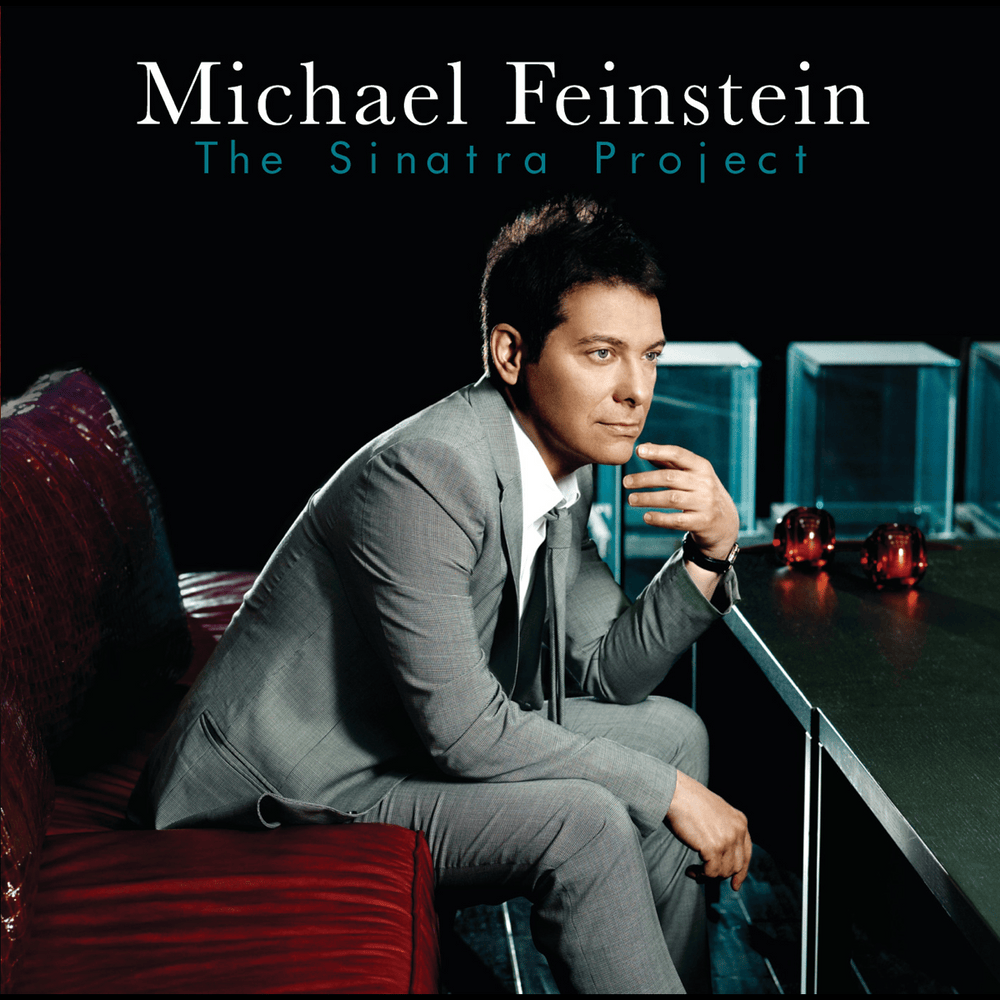
 View Artist