Song Meaning
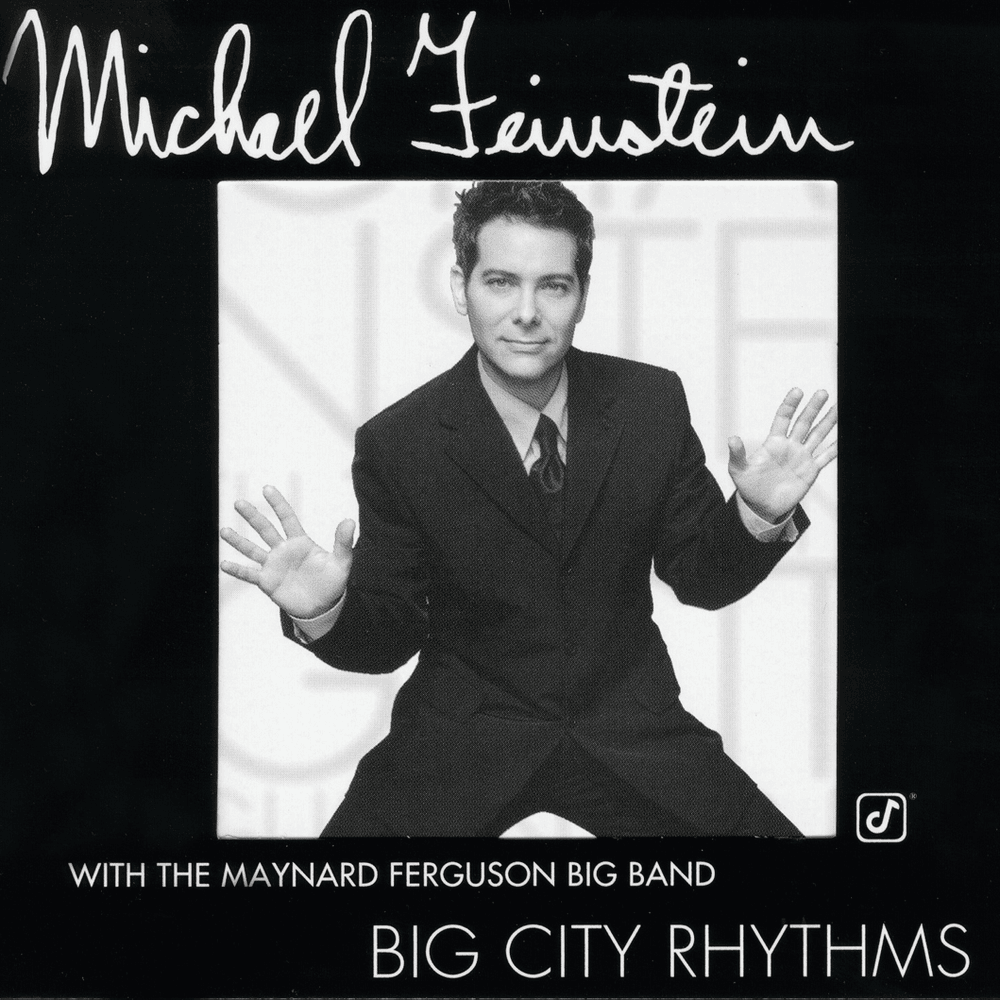
Michael Feinstein's rendition of "The One I Love Belongs to Somebody Else" isn't just a wistful ballad; it's a masterclass in romantic idealism. The lyrics paint a portrait of a hopeful heart navigating the lonely interim before true love arrives. The song's core hinges on the tension between present solitude ("When days are long and nights are lonely") and the unwavering belief in a future connection. It's the kind of optimistic yearning that defines a specific brand of timeless American romanticism, one where destiny and personal agency waltz together. The singer isn't wallowing; they're actively anticipating. They're willing the universe to conspire in their favor. And in this version, Feinstein’s vocals carry that hope with a fragile strength. It’s a rendition that understands the power of believing, even when the object of affection is still just a phantom.
The beauty of this song meaning lies in its universality. Who hasn't experienced that anticipatory ache, that sense of waiting in the wings for the 'one'? The lyrics sidestep the complexities of messy, existing relationships, focusing instead on the purity of potential. The line "I'll have none except the one I love" is less about rejecting current suitors and more about safeguarding the heart for a future, ideal connection. It’s a declaration of self-worth disguised as romantic devotion. It speaks to a generation raised on the promise of soulmates, even as the realities of modern relationships become increasingly complex and fluid.
Ultimately, "The One I Love Belongs to Somebody Else" isn't just a song about longing; it's a testament to the enduring power of hope. It acknowledges the inherent loneliness of the human condition while simultaneously offering a comforting vision of a future where that loneliness is finally, irrevocably, dispelled. The lyrics understand that sometimes, the dream of love is just as powerful as love itself, a beacon in the darkness guiding us toward an unknown, but hopefully brighter, tomorrow.
 View Artist