Song Meaning
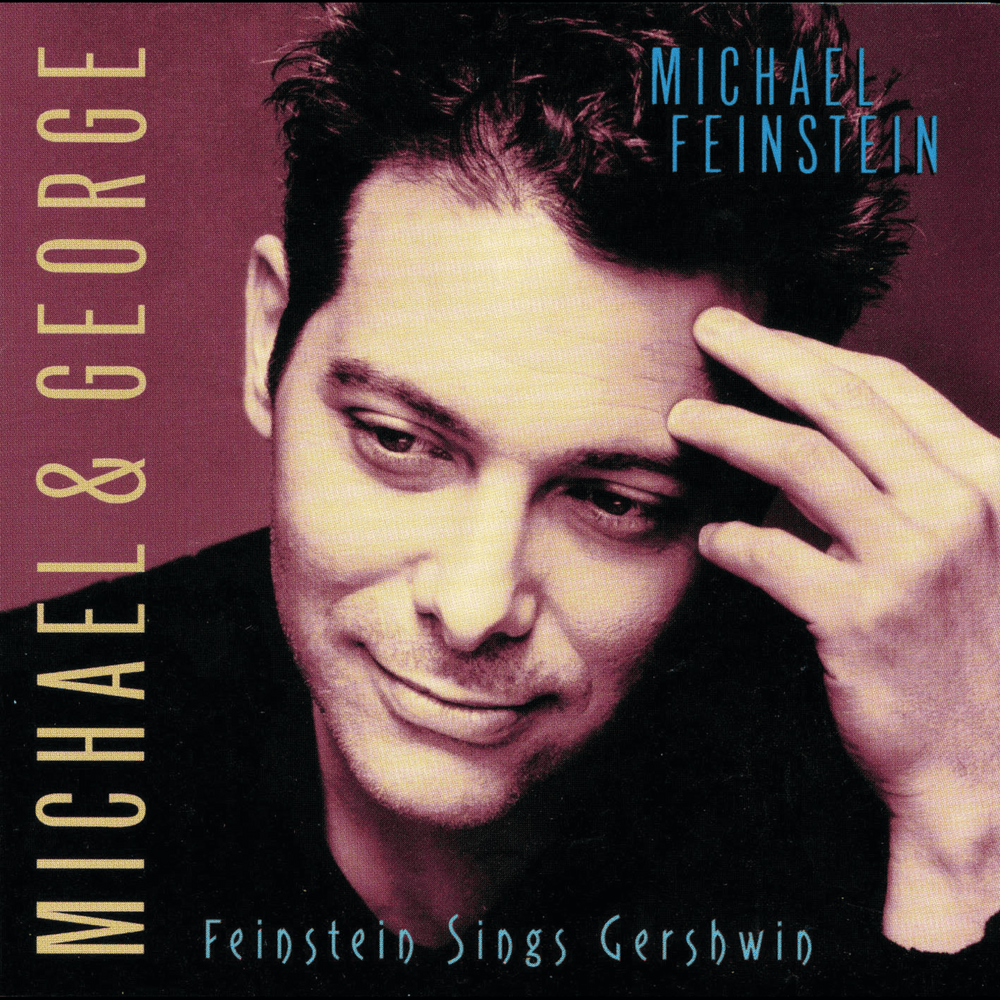
Michael Feinstein's rendition of "Swanee" isn't just a song; it's a yearning, a primal scream for a home that exists as much in memory as it does on any map. The song meaning, at its heart, is about the push and pull of identity, the siren call of roots that tugs against the complexities of modern life. The lyrics paint a vivid picture of a man drawn back to his origins, a place idealized as a sanctuary of love and belonging. The repetition of "Swanee how I love ya" becomes less a statement and more a mantra, a desperate attempt to reconnect with a self that feels increasingly distant. The "Mammy" figure, though potentially fraught with historical complexities, represents unconditional love and acceptance, a powerful counterpoint to the cold anonymity of the "folks up North."
That geographical contrast is key. The North, left unnamed, becomes a symbol of alienation, a place where the singer feels adrift. The South, embodied by the Swanee River and the promise of Dixie, represents authenticity and emotional fulfillment. It's a romanticized vision, no doubt, but one that speaks to the universal human desire for a place to truly belong. The banjo's soft strumming isn't just background music; it's the heartbeat of a culture, a reminder of traditions and shared experiences that bind people together. The lyrics analysis reveals a tension between the individual's desire for personal growth and the comfort of collective identity.
Ultimately, "Swanee" is a powerful expression of nostalgia, but it's not simply a sentimental trip down memory lane. It's a complex exploration of the human need for connection, the search for a place where one's true self can be not only accepted but celebrated. Feinstein's performance underscores the song's inherent drama, the internal conflict between the allure of the past and the realities of the present. It leaves the listener pondering the true meaning of home and the sacrifices one is willing to make to find it.
 View Artist