Song Meaning
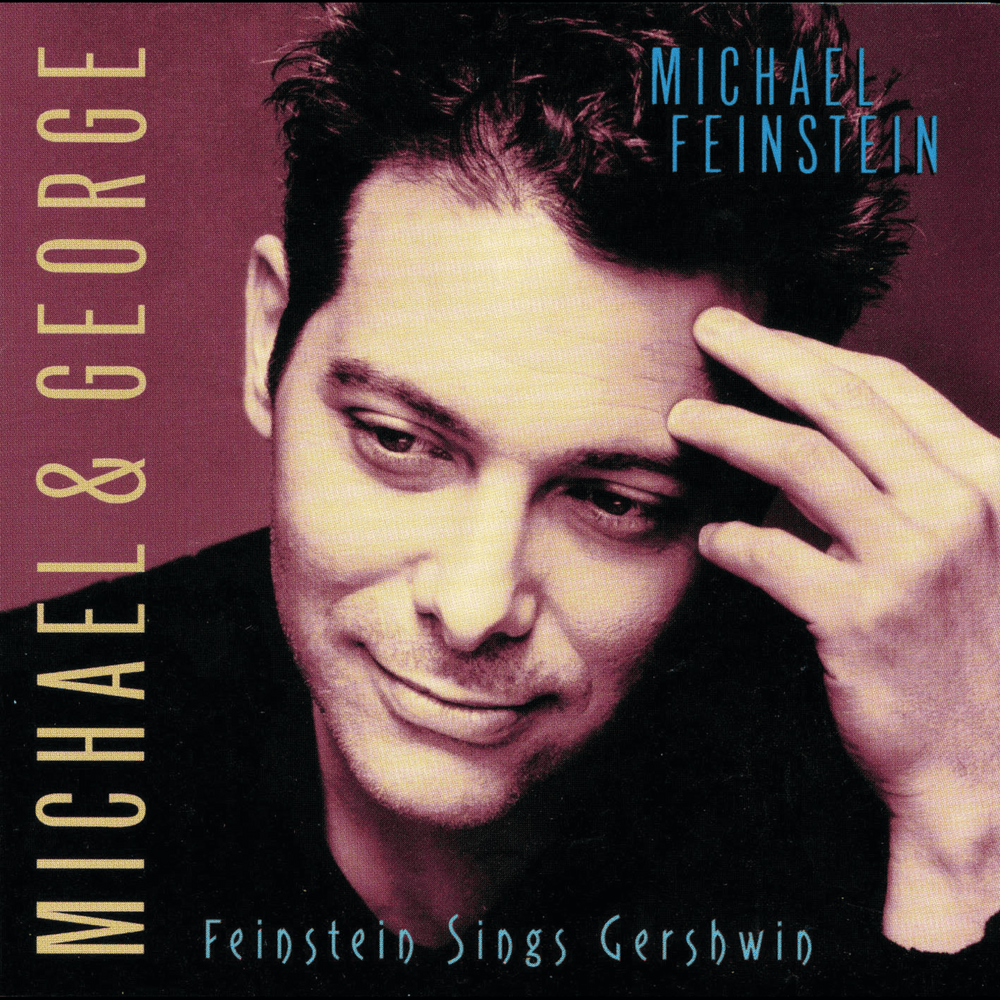
Michael Feinstein's rendition of "Shall We Dance?" isn't just an invitation; it's a brisk, no-nonsense directive aimed squarely at anyone wallowing in self-pity. The song meaning boils down to a simple, yet profound, ultimatum: shake off the blues or be left behind. Feinstein, a master of the Great American Songbook, delivers the lyrics with an almost paternal urgency, as if scolding a child for moping when there's a party going on. The genius lies in how it frames despair not as a tragedy, but as a choice – a rather unattractive one at that. The lyrics aren't subtle. "Drop that long face!" he commands, before laying out the stakes: a world on a swing versus nursing the blues. It's a world of kinetic joy versus stagnant sorrow.
The recurring question, "Shall we dance or keep on moping?" isn't really a question at all. It's rhetorical, designed to jolt the listener out of their inertia. Feinstein isn't offering therapy; he's prescribing action. The song implicitly understands the psychological pull of inertia, the seductive comfort of wallowing. But it counters that pull with an equally powerful force: the primal urge to move, to connect, to experience joy, even if fleeting. The image of dancing "with never a care" isn't about naive escapism; it's about seizing moments of lightness in a world that can often feel relentlessly heavy.
Ultimately, "Shall We Dance?" is a potent reminder of life's brevity and the imperative to embrace joy whenever possible. The admonishment, "Life is short, we're getting older," carries a weight that transcends mere platitude. It's a call to defy the inevitable march of time and circumstance through the simple act of dancing. Feinstein's delivery, coupled with the song's inherent optimism, transforms it from a mere tune into an anthem for seizing the moment, a challenge to defy despair and choose life, one step at a time.
 View Artist