Song Meaning
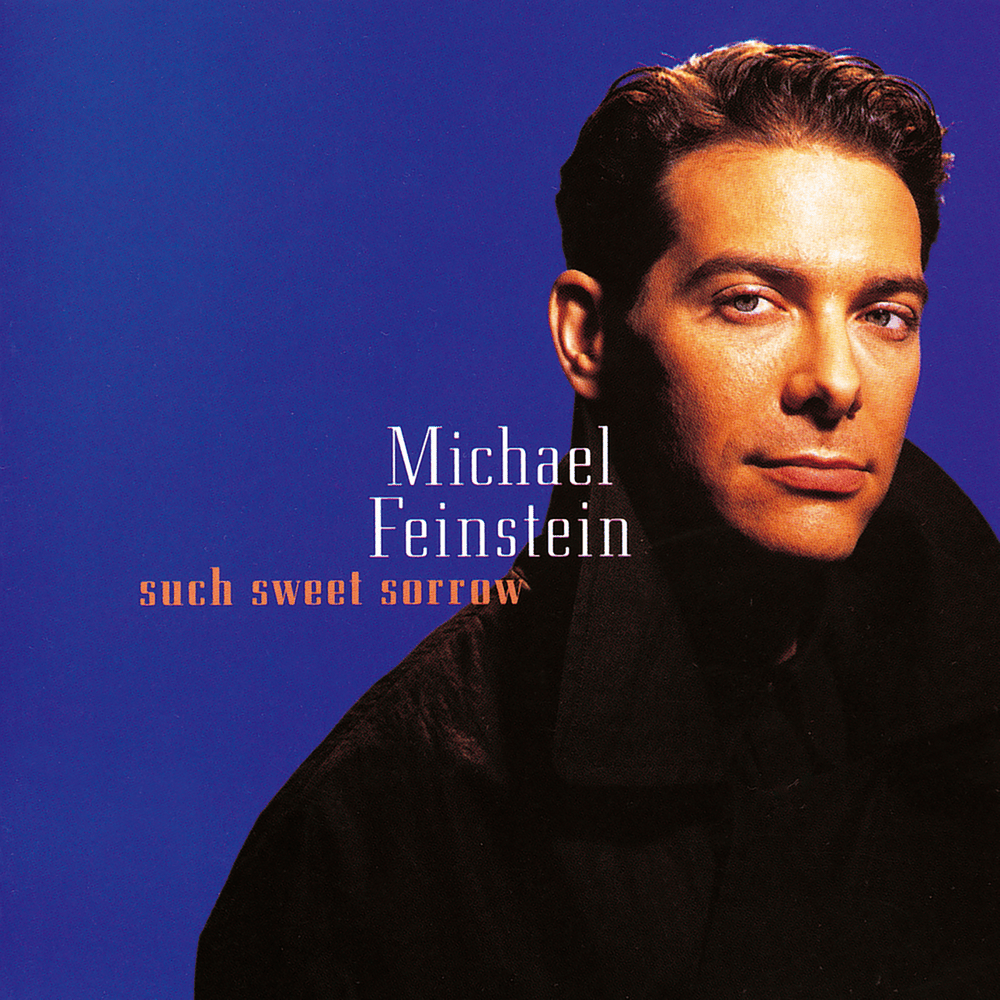
Michael Feinstein's rendition of "Let's Face The Music And Dance" is less a carefree invitation and more a poignant acknowledgement of impending doom, masked by waltz rhythms. The song meaning resides in its bittersweet core: a recognition that joy is fleeting, perhaps illusory, but desperately worth embracing while it lasts. It's the human condition distilled into a three-minute performance. Feinstein, a master interpreter of the Great American Songbook, doesn't shy away from the subtext of mortality. He understands that the glittering surface of romance and revelry often conceals a deeper awareness of life's fragility.
The lyrics themselves paint a picture of borrowed time. "There may be trouble ahead," Feinstein croons, immediately grounding the listener in a reality where the party is already winding down. The repeated entreaty to "face the music and dance" isn't just about seizing the moment; it's about confronting the inevitable with grace and courage. The fleeting nature of "music and moonlight and love and romance" only heightens their value. They are temporary salves against the anxieties that lurk beneath the surface. The subtle shift from 'but' to 'so' in the second verse underscores the urgency, the desperate need to find solace in beauty before it vanishes.
Ultimately, Feinstein's interpretation of "Let's Face The Music And Dance" acknowledges the inherent tension between joy and sorrow, hope and despair. It’s a call to appreciate the present moment, not through naive optimism, but through a clear-eyed understanding of its impermanence. The song's true power lies in its ability to transform a simple dance invitation into a profound meditation on life, loss, and the enduring human spirit.
 View Artist