Song Meaning
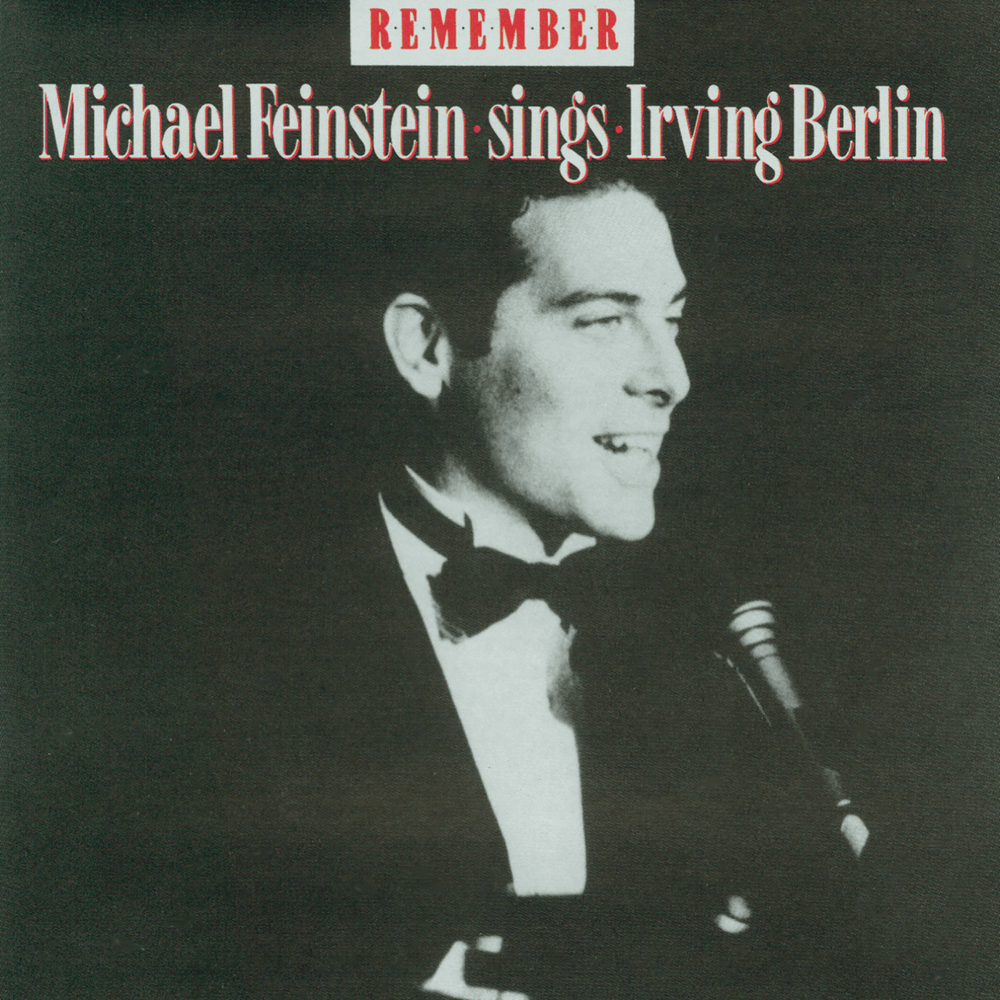
Michael Feinstein's rendition of "Let Me Sing And I'm Happy" isn't just a performance; it's a manifesto. The song's apparent simplicity belies a profound statement about the power of art, specifically music, to transcend the mundane realities of governance and global affairs. The opening lines dismiss the weight of legislation and world politics, not from a place of ignorance, but from a conviction that music occupies a higher plane of influence. Feinstein, through the lyrics, prioritizes emotional connection above all else. His happiness isn't derived from societal impact on a grand scale, but from the intimate, individual responses his singing evokes.
The song's core message resides in its cascading series of conditional statements: *if* the song makes you laugh, *if* it makes you cry, *if* it makes you tap your feet. Each 'if' represents a different facet of the human emotional spectrum, and Feinstein positions himself as a conduit for these feelings. He is not just an entertainer; he's an emotional architect, building bridges between his inner world and the listener's. The repeated emphasis on happiness underscores the almost childlike joy he finds in this role, a pure and unadulterated satisfaction derived from the act of creation and connection.
However, the seemingly idyllic picture is subtly complicated by the inclusion of "Dixie's charms / Cotton fields and mammy's arms." This nostalgic imagery, while potentially comforting to some, carries the heavy weight of American history and racial inequality. Its inclusion raises questions about the nature of happiness itself: can genuine happiness be extracted from selective or even idealized memories? Or does the pursuit of happiness sometimes require a confrontation with uncomfortable truths? Feinstein doesn't provide easy answers, instead leaving the listener to grapple with the complexities inherent in the pursuit of joy and the selective nature of nostalgia. The "Let Me Sing And I'm Happy" lyrics analysis, therefore, exposes not just a celebration of song, but a meditation on the intricate relationship between art, emotion, and memory.
 View Artist