Song Meaning
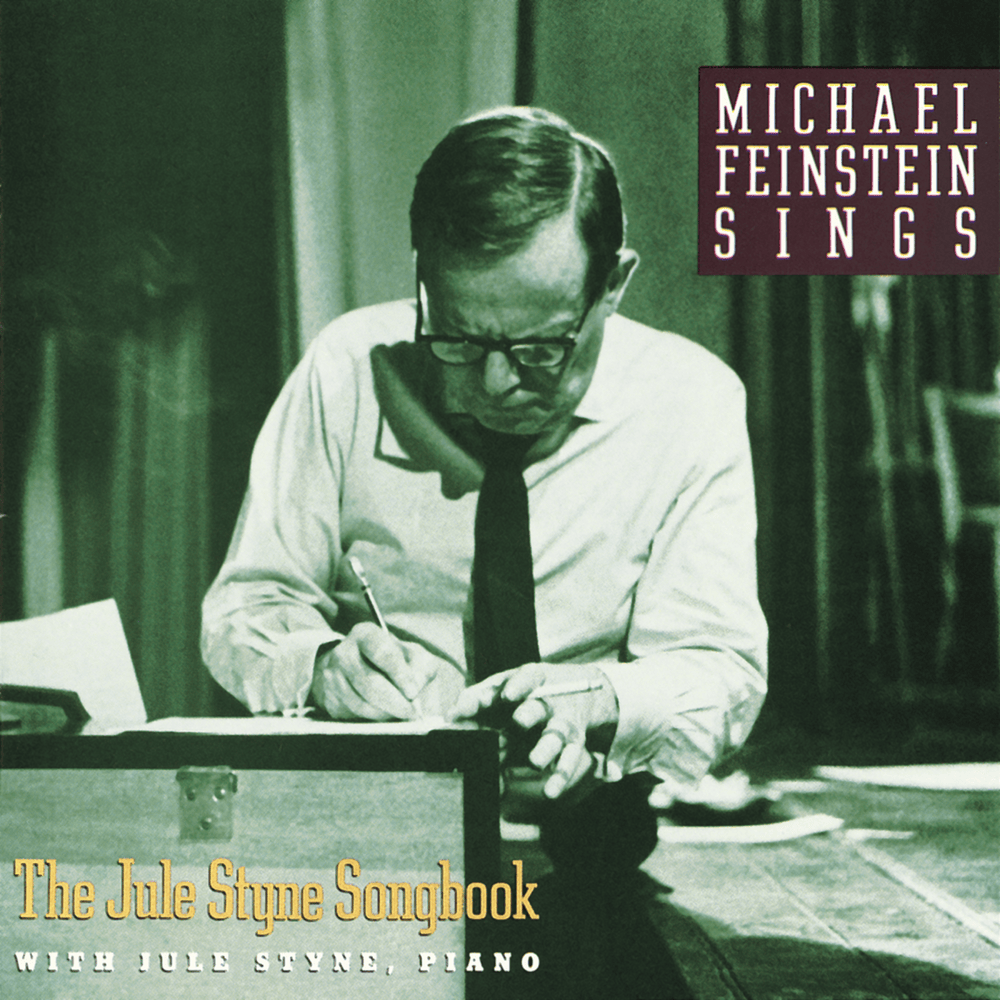
Michael Feinstein's rendition of "I Fall in Love Too Easily" isn't just a song; it's a confession whispered in the dimly lit corner of a jazz club. The lyrics, stark in their simplicity, paint a portrait of a heart perpetually vulnerable, a spirit seemingly incapable of erecting defenses against the intoxicating rush of new affection. The core of the song meaning lies in this inherent contradiction: a self-aware acknowledgment of a destructive pattern, juxtaposed with the frustrating inability to break free from it. Each line drips with a wistful resignation, a weary acceptance of a fate seemingly sealed by one's own emotional wiring. The repetition of 'I fall in love too easily, I fall in love too fast' acts as a mantra, a desperate attempt to both understand and perhaps even control the uncontrollable.
There's a subtle, almost masochistic element present in the lyrics analysis. The singer admits to having been 'fooled in the past,' suggesting a history of heartbreak and disappointment. Yet, this prior experience, rather than serving as a deterrent, seems to have only amplified the susceptibility to future romantic entanglements. This speaks to a deep-seated psychological need, perhaps a longing for connection so profound that the risk of pain becomes a worthwhile trade-off. It's the romantic equivalent of touching a hot stove, knowing full well the consequences, yet being drawn to the heat nonetheless.
Feinstein's delivery, with its characteristic blend of sophistication and vulnerability, further underscores the song's underlying theme. He doesn't merely sing the words; he embodies them, transforming the tune into a poignant exploration of the human condition. The song meaning ultimately transcends the personal, resonating with anyone who has ever felt the sting of unrequited love or the frustration of repeating self-destructive patterns. "I Fall in Love Too Easily" becomes a mirror reflecting our own flawed, yet undeniably human, pursuit of connection and belonging.
 View Artist