Song Meaning
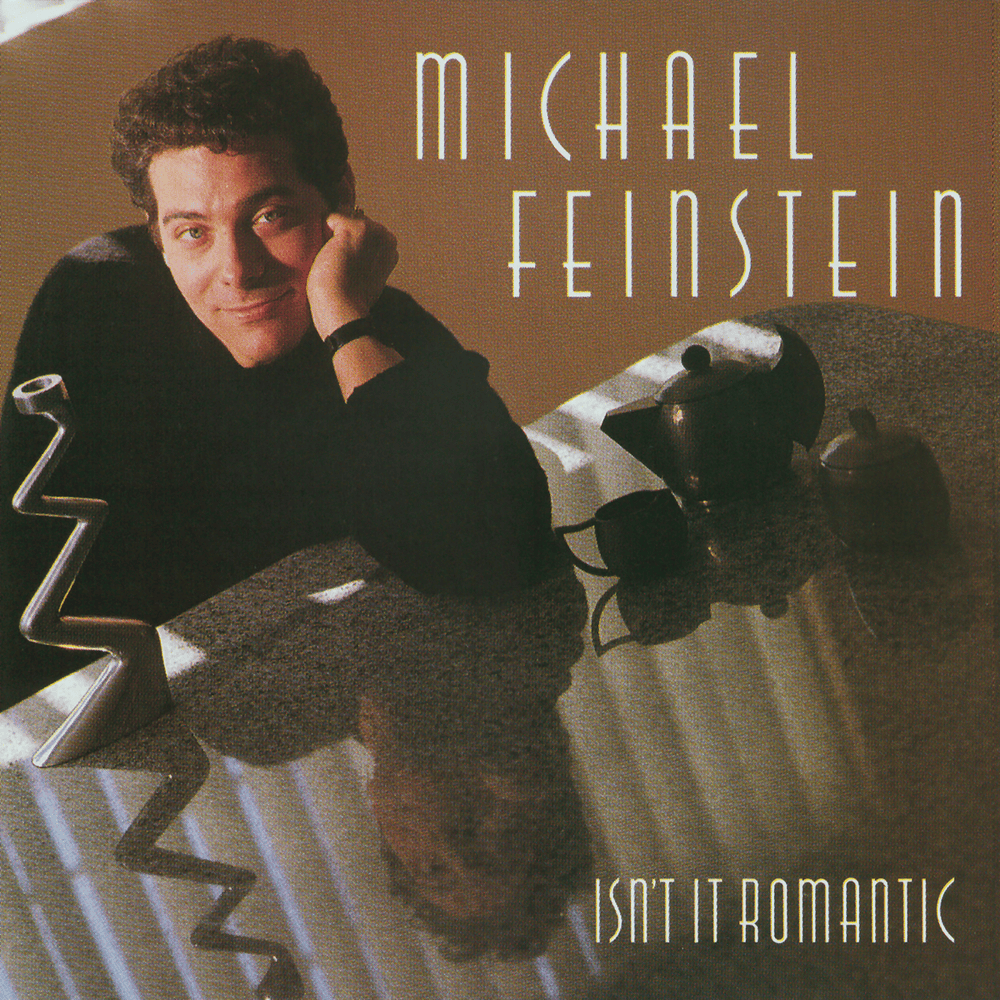
Michael Feinstein's rendition of "How About You" is less a grand statement and more an intimate invitation. The song, on its surface, is a charming inventory of simple pleasures: Gershwin tunes, potato chips, a fireside during a storm. But beneath this catalog of affable tastes lies the real question – a subtle, almost shy, probing for connection. It's the lyrical equivalent of offering someone a bite of your ice cream, not just to share the treat, but to gauge their reaction, to see if your worlds might align. Feinstein, a master interpreter of the Great American Songbook, understands this delicate dance of courtship. He doesn't belt out declarations of love; instead, he extends a hand, palm up, offering a glimpse into his inner world and asking, tentatively, if you see anything familiar. The repetition of "how about you?" isn't just a catchy hook; it's the central nervous system of the song, a constant, almost anxious, pulse checking for reciprocity. It’s about finding a kindred spirit in the mundane, someone who appreciates the same quiet joys.
The lyrics hint at a deeper yearning beyond shared tastes. The lines "I love to dream of fame, maybe I'll shine / I'd like to see your name right beside mine" suggest a desire for shared ambition, a partnership that extends beyond simple companionship. It’s not just about liking the same things; it's about building a future together, side by side, bathed in the same spotlight. This elevates the song from a mere list of preferences to a proposition of shared destiny. The phrase "I can see we're in harmony" reinforces this idea, suggesting a fundamental compatibility that goes beyond surface-level agreement. It’s a recognition of shared values, a sense that their individual melodies blend together to create something beautiful.
Ultimately, "How About You" is a masterclass in understated charm. It’s a song that understands the power of suggestion, the allure of shared experience, and the quiet thrill of finding someone who appreciates the same simple joys. Feinstein delivers the song with a light touch, allowing the lyrics to speak for themselves, creating a space for the listener to project their own hopes and desires onto the narrative. It’s a reminder that sometimes, the most profound connections are forged not in grand gestures, but in the shared appreciation of a Gershwin tune or a bag of potato chips under the moonlight.
 View Artist