Song Meaning
Michael Feinstein's "For Love Alone" is a masterclass in sophisticated regret, a torch song for those who've knowingly walked into the flame. The lyrics paint a portrait of someone acutely aware of love's potential for destruction, yet utterly powerless to resist its allure. It's not naive romanticism; it's a seasoned acknowledgment of the trade-offs involved. The opening lines, "For love alone, I did what otherwise I never could have done," suggest a willingness to compromise, to perhaps even self-sabotage, in the pursuit of connection. There's a hint of self-awareness bordering on fatalism, a sense that the speaker understands the likely outcome but chooses to proceed anyway.
The song meaning deepens with the recognition of past missteps. "I bought the lies but now I'm wise" isn't a declaration of newfound cynicism, but rather a hard-earned acceptance of the illusions that often accompany love. Feinstein captures the paradox of experience: the wisdom gained comes at the cost of naivete lost. The imagery of aiming "arrows at the sun" speaks to the grand, often unrealistic, ambitions fueled by romantic passion. The acknowledgement that "it has been fun" underscores the bittersweet nature of the experience; even in failure, there's a recognition of the joy and intensity that love provides.
Ultimately, "For Love Alone" offers a vision of resilience. The "Phoenix" metaphor is well-worn, but here, it feels earned. It's not a boastful declaration of invincibility, but a quiet commitment to rebuilding after the inevitable crash. The repeated line, "nothing dies that flies for love alone," offers a glimmer of hope, suggesting that even in heartbreak, something valuable remains – a memory, a lesson, or perhaps simply the capacity to love again. The song's power lies in its refusal to simplify the complexities of love, embracing both its joys and its sorrows with equal measure.
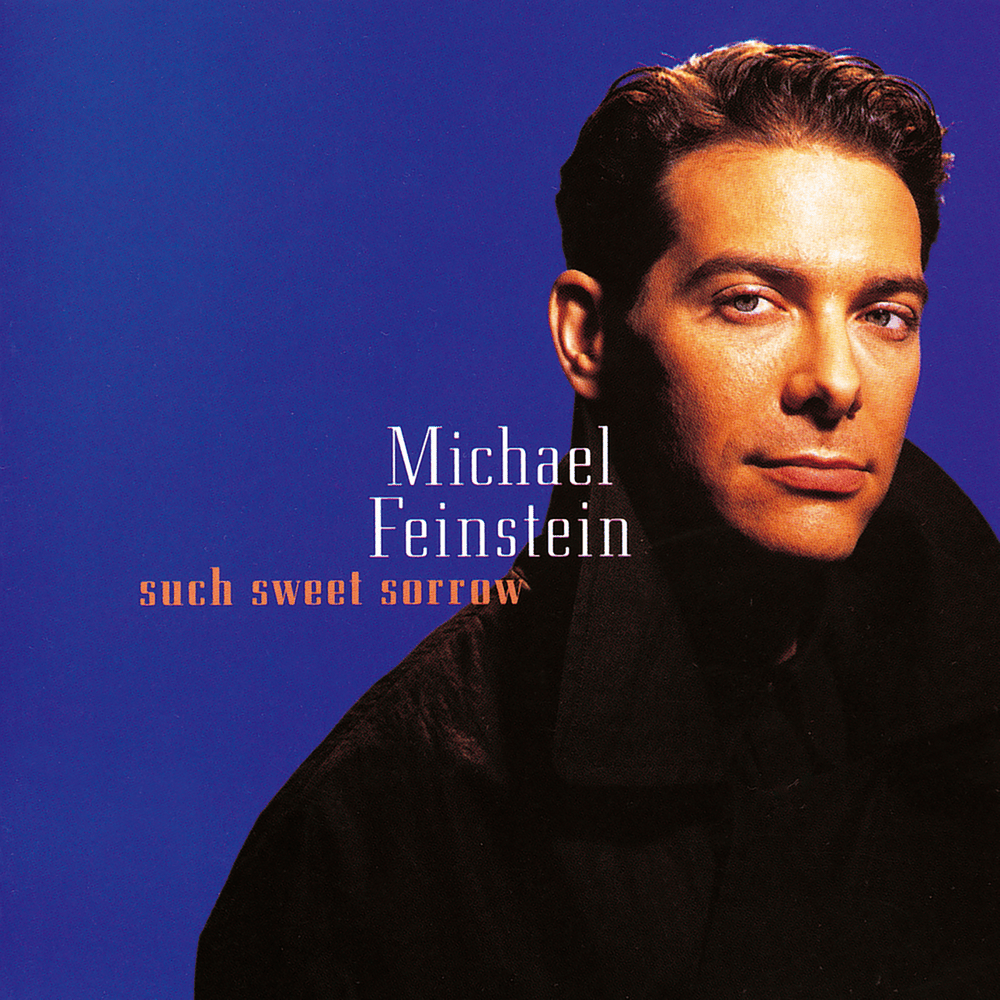
 View Artist