Song Meaning
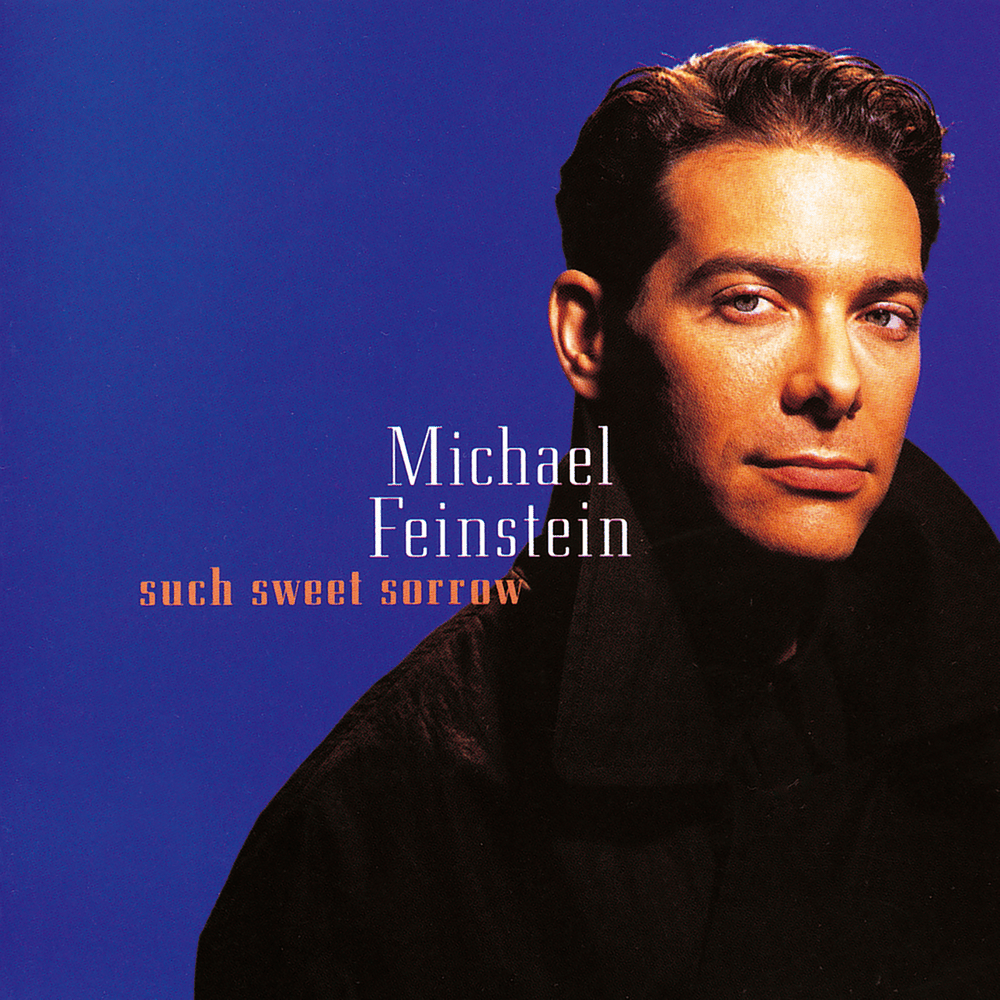
Michael Feinstein's rendition of "Easy to Love" isn't just a love song; it's a study in idealized projection and the bittersweet ache of unrequited affection. The song meaning hinges on the narrator's acute awareness of his own delusion. He knows he's "wasting precious time," yet confesses his adoration anyway. This isn't blind optimism; it's a conscious choice to indulge in a fantasy, knowing full well it will likely remain just that. The raw honesty, "I'm sure you hate to hear that I adore you, dear," adds a layer of vulnerability, transforming the song from a simple serenade into a poignant expression of longing. The singer acknowledges his own folly, suggesting a self-awareness that elevates the emotional complexity. He's not just lovesick; he's knowingly choosing to be, finding a strange comfort in the yearning itself.
The core of the song lies in the phrase "easy to love." It suggests that the object of affection possesses inherent qualities that naturally inspire adoration. But the "easy" part also hints at the narrator's own predisposition to idealize. He's not necessarily responding to the person as they truly are, but rather projecting his own desires and fantasies onto them. This speaks to a common psychological phenomenon: the tendency to see in others what we wish to see, especially in the early stages of infatuation. The lyrics paint a picture of a relationship that exists solely in the narrator's mind – a "grand game," carefree and fulfilling. This idealized vision underscores the painful reality of its unattainability.
Ultimately, Feinstein's interpretation of "Easy to Love" becomes a sophisticated exploration of desire, fantasy, and the bittersweet beauty of unrequited love. It's a song for anyone who has ever built a castle in the clouds, knowing it might never touch the ground. The final repetition of "you'd be oh, so easy to love" isn't just a statement of affection; it's an acknowledgment of the narrator's own vulnerability and the enduring power of hope, even in the face of probable disappointment.
 View Artist