Song Meaning
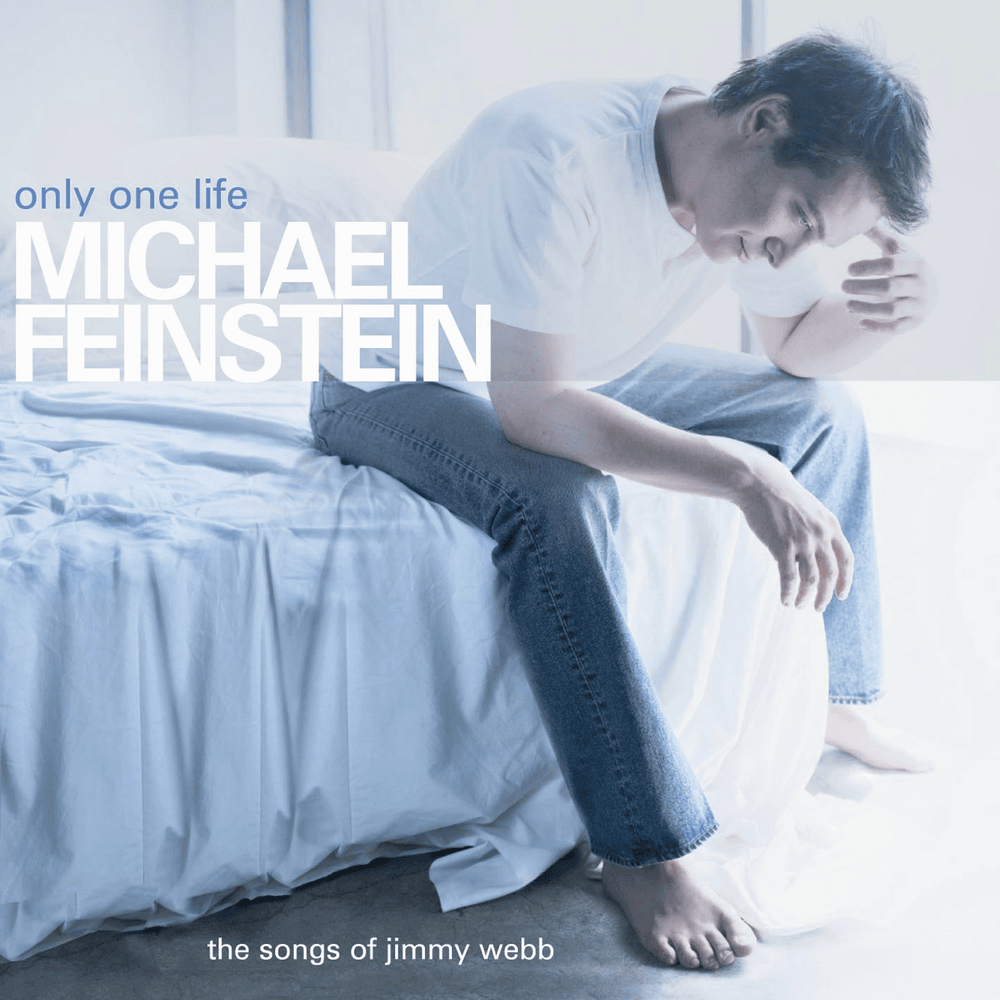
Michael Feinstein's rendition of "Didn't We" is a masterclass in melancholic reflection, a poignant exploration of near-misses and the bittersweet ache of what could have been. The song circles around the central question of almost achieving a shared dream, a relationship milestone, or perhaps even a sense of personal fulfillment. It's the kind of question that lingers in the quiet moments after a chapter closes, a gentle haunting of unrealized potential. The repetition of "Didn't we?" acts as both a plea for validation and a self-inflicted wound, twisting the knife of regret with each iteration. It's the sound of someone sifting through the ashes of a failed endeavor, searching for glimmers of hope that might justify the effort expended.
The lyrics are deceptively simple, built upon the recurring motif of 'almost.' This 'almost' transcends mere failure; it speaks to the agonizing proximity of success. The image of the answer turning to sand is particularly evocative, capturing the ephemeral nature of solutions and the ease with which they can slip through our fingers. It speaks to the fragility of hope and the cruel irony of having the solution within grasp, only to watch it disintegrate. The references to singing in tune and making a poem rhyme suggest a yearning for harmony and alignment, both within oneself and in connection with another.
Ultimately, "Didn't We" is a meditation on the human condition, our inherent desire for connection, and the inevitable disappointments that accompany the pursuit of meaningful relationships and personal goals. Feinstein's delivery amplifies the song's emotional weight, transforming it into an anthem for the almost-achievers, the ones who came close but ultimately fell short. It's a reminder that even in failure, there's a strange beauty, a shared experience of striving and longing that connects us all. The lyrics analysis reveals a depth of emotion that resonates long after the final note fades, leaving the listener to ponder their own 'almost' moments and the lessons learned from the paths not fully traveled.
 View Artist