Song Meaning
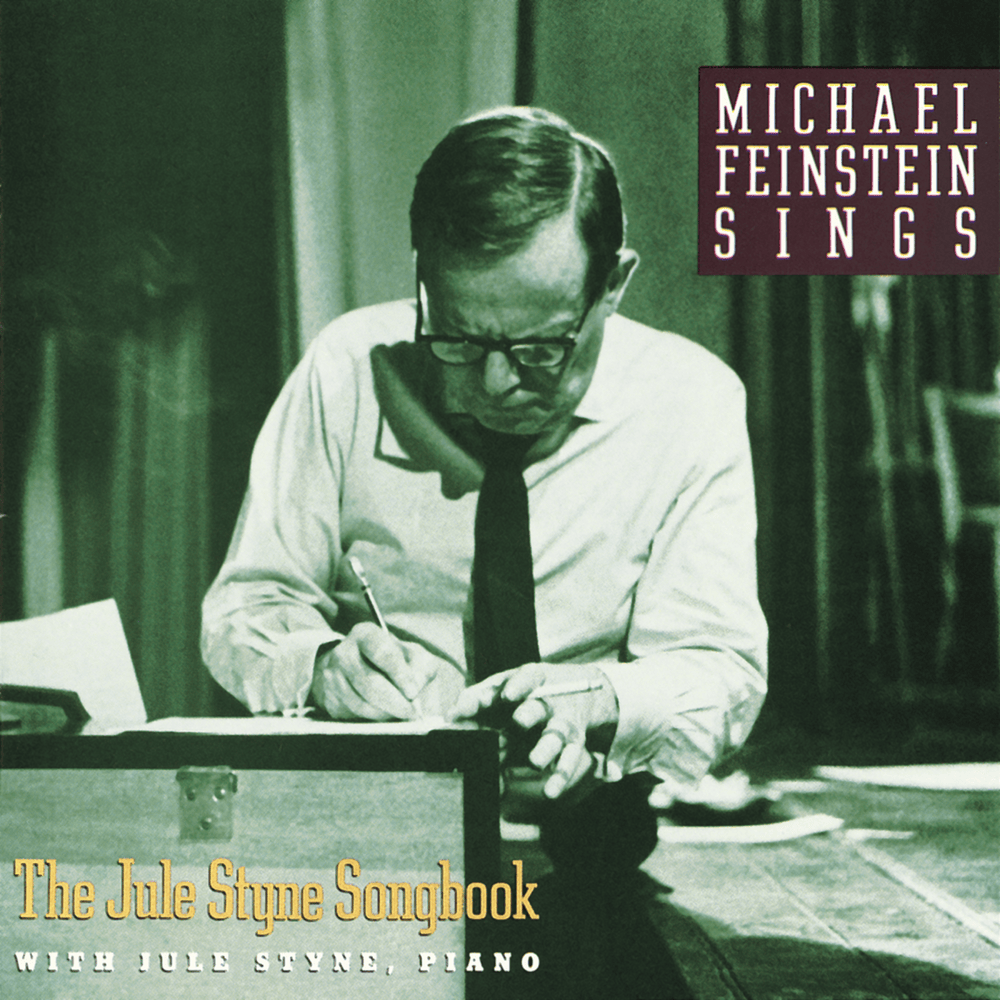
Michael Feinstein's rendition of "The Things We Did Last Summer" isn't just nostalgia; it's an excavation of emotional archaeology. The song is a deceptively simple catalog of idyllic summer moments—boat rides, moonlight, midway thrills—yet each memory is tinged with the bittersweet knowledge of what's been lost. Feinstein’s interpretation underscores the poignant contrast between the vibrancy of those shared experiences and the stark, encroaching "winter" of heartbreak. The lyrical repetition of "I'll remember all winter long" acts as a haunting refrain, less a celebration of the past and more a lament for its irretrievability.
The genius of the song, and Feinstein's understanding of it, lies in its exploration of how memory functions. It isn't a perfect, unblemished recording; instead, it's a selective highlight reel where certain moments—"the bell I rang to prove that I was strong," "the rented tandem bike"—become totemic representations of a relationship's initial promise. The seemingly insignificant details—the packed lunches, the sudden rain—gain immense weight in retrospect, acting as triggers for a cascade of emotions. These aren't just things they *did*; they are artifacts imbued with longing.
But the song's core isn't just the remembrance of joy; it's the agonizing question of how it all unraveled. "The leaves began to fade like promises we made / How could a love that seemed so right go wrong?" This lyric cuts to the heart of the matter: the bewildering transition from summer's warmth to winter's cold. Feinstein's phrasing conveys the sense of someone grappling with the irrationality of heartbreak, the way love can dissipate despite the seeming solidity of shared experiences. The final verse, with its admission of both fleeting forgetfulness and lingering memory, captures the cyclical nature of grief. "The Things We Did Last Summer" becomes a powerful meditation on memory, loss, and the enduring impact of a love that, though gone, continues to resonate through the long, cold winter of the soul.
 View Artist