Song Meaning
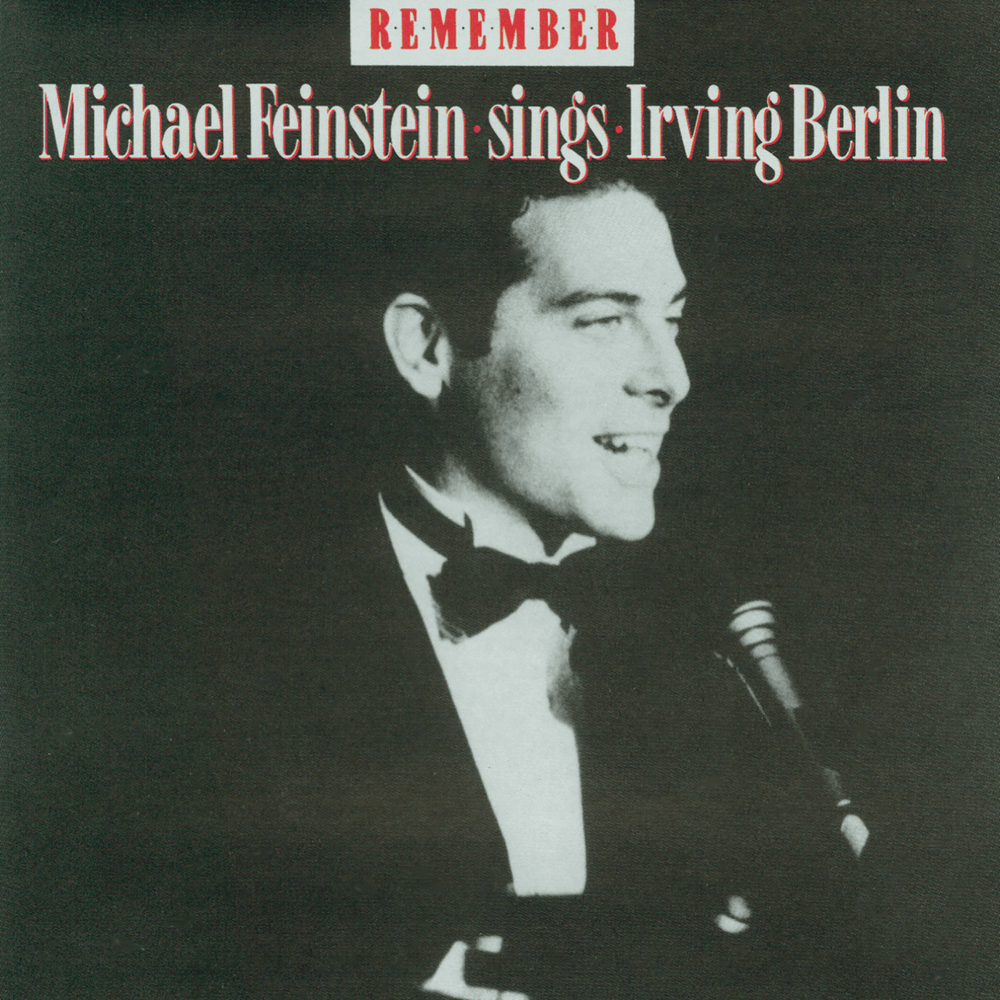
Michael Feinstein's interpretation of "Better Luck Next Time" sung from the perspective of Hannah, isn't a saccharine dismissal of heartbreak, but rather a stark, almost defiant reckoning with love's potential finality. The initial lines offer the familiar comfort of replacement – a rose for a rose, a love for a love. But Hannah immediately punctures this platitude with a weary realism: "That sounds alright in a careless rhyme / But there's seldom a second time." This isn't optimism; it's the sober acknowledgement that some wounds, some losses, are simply irreparable. The song's meaning resides in this tension between the easy promise of renewal and the crushing weight of lived experience.
The repeated refrain, "Better luck next time / That could never be / Because there ain't gonna be no next time / For me," is less a lament and more a declaration. It's a refusal to participate in the comforting lie that love is endlessly recyclable. There's a palpable sense of closure, a decision made not in bitterness, but in acceptance. The acknowledgement, "Made up my mind / To make another start / I've made my mind up but I can't make up / My heart" reveals the core conflict: The mind seeks forward motion, yet the heart remains anchored to a specific, irretrievable past.
Ultimately, "Better Luck Next Time" explores the psychology of grief and the individual's struggle to reconcile hope with the reality of loss. It's a song about acknowledging the unique, irreplaceable nature of certain relationships. The lyrics suggest a profound understanding that love, in its most meaningful form, isn't a commodity to be exchanged, but a singular experience that shapes and defines us. This poignant song leaves the listener contemplating the courage it takes to face the finality of love without succumbing to false hope.
 View Artist