Song Meaning
Michael Feinstein's rendition of "At Long Last Love" isn't just a performance; it's a masterclass in suspended belief, a tightrope walk over the chasm between cynicism and hope. The lyrics, a cascade of rhetorical questions, perfectly capture the disoriented feeling of unexpectedly falling in love. It's that moment of 'wait, is this actually happening to *me*?' played out in sophisticated, urbane terms. The brilliance lies in the specific imagery – the contrast between 'good turtle soup' and 'merely the mock,' between the exotic allure of 'Granada' and the mundane reality of 'Asbury Park.' These aren't just random comparisons; they're the internal battleground of someone who's been burned before, someone who's instinctively looking for the catch.
The song's repeated questioning structure is less about seeking external validation and more about self-interrogation. It mirrors the anxious mind, desperately trying to categorize and understand an emotion that defies easy definition. Is this 'the real McCoy,' or just a fleeting infatuation? The fear of vulnerability is palpable, masked by clever wordplay and elegant phrasing. The lyrics paint a portrait of someone cautiously dipping their toes into the waters of romance, acutely aware of the potential for heartbreak.
Ultimately, the repetition of 'Is it at long last love?' isn't a question at all; it's a hesitant declaration, a fragile hope whispered into the universe. Feinstein's interpretation understands this nuance, conveying both the exhilaration and the underlying trepidation of surrendering to love after a long period of guardedness. The song becomes a poignant exploration of the human condition, that eternal dance between skepticism and the enduring, irrational longing for connection.
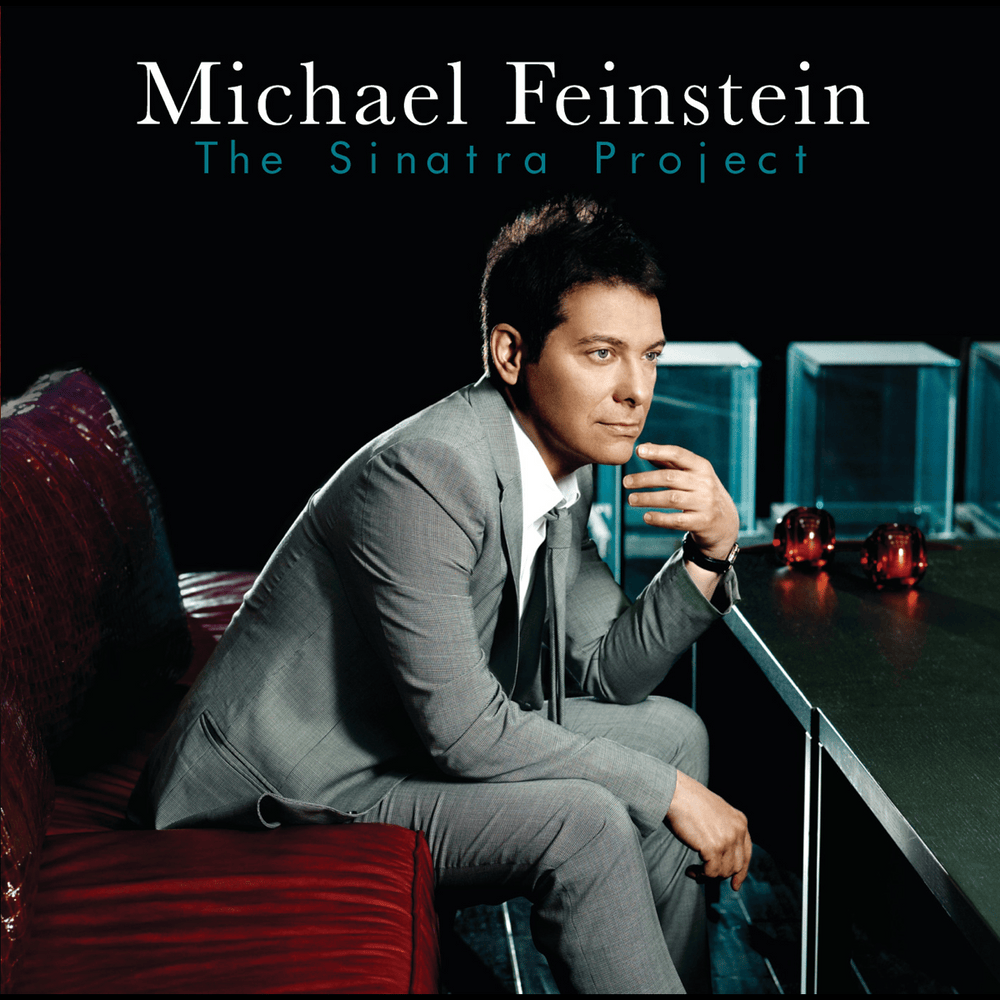
 View Artist