Song Meaning
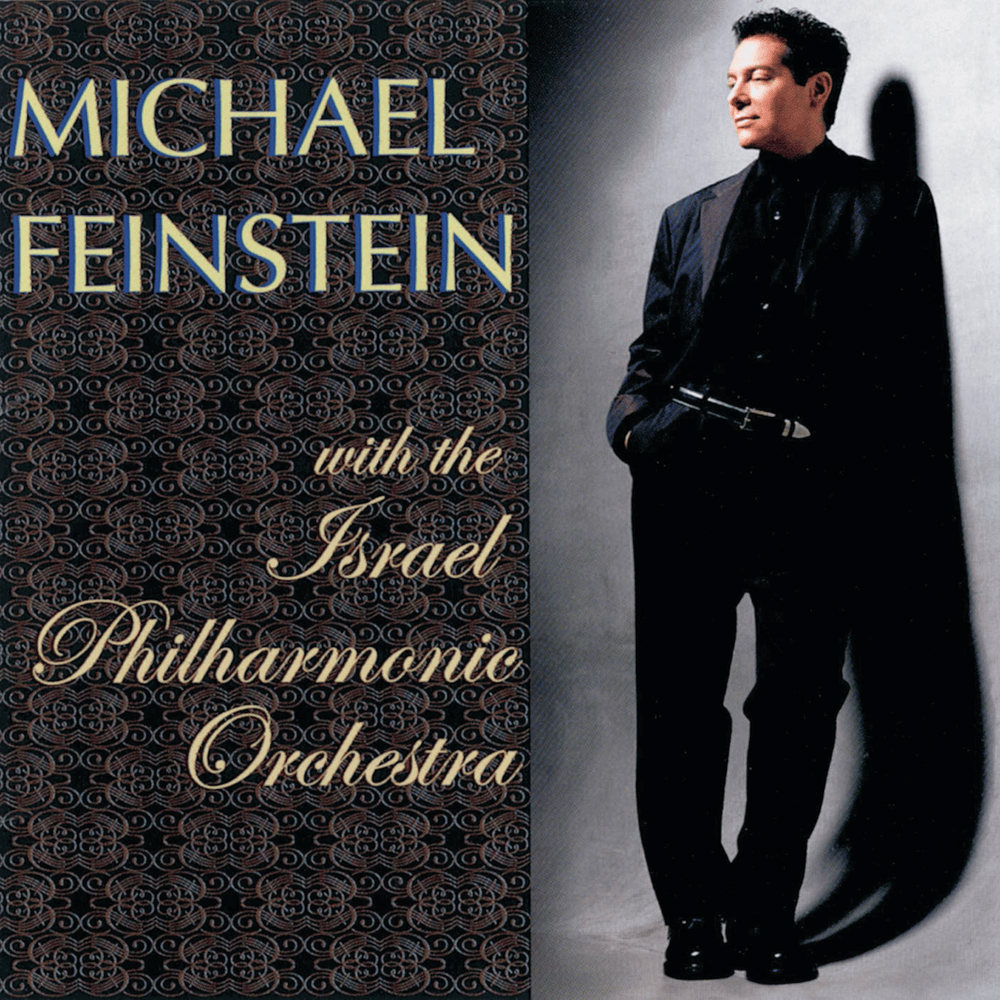
Michael Feinstein's rendition of "The Folks Who Live On the Hill" isn't just a song; it's a poignant study in idealized domesticity and the quiet evolution of a relationship. The lyrics sketch a classic American dream: a home built together, a family raised, and a shared sunset viewed from the porch. But beneath the sentimental surface lies a deeper exploration of identity and the comfort found in enduring roles. The initial verses paint a picture of youthful aspiration, the "shiny and new" cottage representing the promise of a future built on shared dreams. The act of building, both literally and figuratively, becomes a metaphor for creating a life together. The phrase "folks who live on the hill" is not just a descriptive label but an identity to be earned and embraced.
As the song progresses, the narrative subtly shifts from the excitement of new beginnings to the acceptance of change and the inevitability of aging. The addition of "a wing or two" acknowledges the evolving nature of family life and the adaptations required to navigate its complexities. However, the core identity, "the folks who live on the hill," remains constant, providing a sense of continuity and stability amidst the flux. The image of the veranda overlooking the "meadows green" becomes a symbol of shared history and the enduring bond between the couple.
The final verse introduces a touch of melancholy as the children grow up and leave, leaving the original couple to reflect on their journey. The transformation from "Jack and Jill" to "Darby and Joan"—archetypal figures of enduring love in old age—highlights the cyclical nature of life and the quiet beauty of long-term commitment. Feinstein's interpretation underscores the song's message: true happiness isn't found in grand gestures or fleeting moments, but in the simple, everyday acts of building a life together and embracing the identity that comes with it. It's a celebration of the ordinary, elevated by the extraordinary power of enduring love and shared history. The song subtly hints that the true 'hill' isn't geographical, but the emotional high ground of a life well-lived together.
 View Artist