Song Meaning
The lyrics paint a stark hypothetical: what if God couldn't find a volunteer for humanity's salvation? It imagines a divine search through heaven, revealing a potential void where the 'supreme sacrifice' was needed. This sets up a dramatic premise for the central argument of the song. The immediate emotional texture is one of profound gratitude and relief, hinged on specific historical and theological touchstones.
The core tension lies in the contrast between eternal damnation and salvation, framed by a series of conditional statements. The repeated phrase "Had it not been" emphasizes a precarious existence, where the narrator's soul "would be lost" without specific interventions. This highlights a deep-seated fear of spiritual abandonment, countered by an overwhelming sense of thankfulness for what appears to be a divine rescue mission.
The most striking craft element is the stark, almost transactional framing of salvation. The lyrics present a scenario where a divine being is sought out for a specific, necessary act – the "supreme sacrifice." The repetition of "Had it not been" creates a powerful sense of dependency, while the imagery of the "old rugged cross" and "Mt. Calvary" grounds this abstract concept in concrete, resonant symbols. The narrator's gladness at Jesus' willingness to "drink that bitter cup," even when praying for it to pass, underscores the immense personal cost of this sacrifice.
This writing is effective because it grounds immense theological concepts in personal relief and gratitude. The hypothetical scenario makes the abstract idea of sacrifice tangible, while the repeated conditional clauses amplify the feeling of being saved from a dire fate. The focus on specific elements like "Mt. Calvary" and the "old rugged cross" provides a clear, unwavering anchor for the narrator's profound thankfulness, making the emotional impact feel deeply earned and personal.
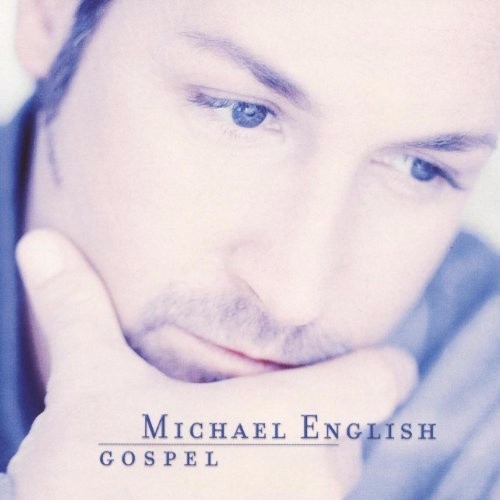
 View Artist