Song Meaning
The lyrics paint a raw portrait of grief and the desperate longing for a lost paternal figure. The opening lines immediately establish a deep, singular bond: "You were once my one companion, you were all that mattered." This intense connection is then brutally severed, leaving the narrator in a shattered world. The core of the song is this persistent, almost magical thinking, a yearning so profound that the narrator believes a dream could bridge the impossible gap: "Wishing you were somehow here again."
The central tension lies in the conflict between this overwhelming desire for the past and the painful reality of its permanence. The narrator grapples with the futility of their wish, acknowledging, "Knowing that I never would." This internal battle is further fueled by the inability to move forward, as evidenced by the cry, "Why can't the past just die?" The desire isn't just for the person's return, but for the release that their absence now prevents.
The imagery of "Passing bells and sculpted angels, cold and monumental" starkly contrasts with the remembered warmth of the father, "you were warm and gentle." This juxtaposition highlights how the outward symbols of mourning feel alien and inappropriate for the vibrant personality lost. The narrator feels ill-equipped to face the future without guidance, pleading, "Teach me to live / Give me the strength to try..."
Ultimately, the power of these lyrics stems from their unflinching portrayal of a specific, agonizing grief. The repeated refrain, "Wishing you were somehow here again," acts as a mantra of denial and a desperate plea for closure. The song resonates because it articulates the universal struggle of accepting loss, particularly when the departed felt like your entire world, and the profound difficulty of learning to say goodbye.
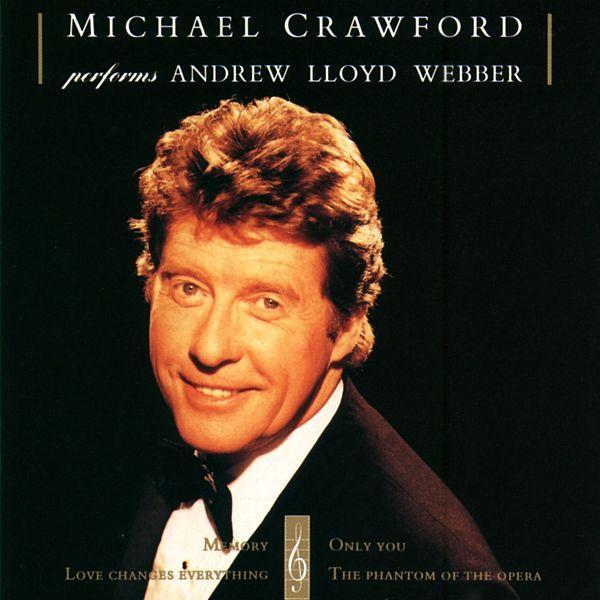
 View Artist