Song Meaning
The lyrics center on the triumphant "Lamb" and a call to follow Him. This imagery directly references the biblical narrative of a sacrificial lamb, specifically linking it to Abraham's story where God provides a substitute for sacrifice. The repeated Latin phrase, "Vicit Agnus Noster, eum sequamur," translates to "Our Lamb has conquered, let us follow Him," establishing a core theme of victory through sacrifice and the imperative to follow this victorious figure.
The central tension arises from the paradox of conquest through defeat. The lyrics state the Lamb "would conquer by His own defeat / And win by losing all." This highlights a profound spiritual or theological concept where ultimate victory is achieved not through worldly power, but through self-sacrifice and humility. The initial revelation of glory to "humble shepherds" reinforces this idea of divine power manifesting in meekness, not might.
The most striking craft element is the juxtaposition of Old Testament prophecy (Abraham's provision) with the New Testament fulfillment (the Lamb's birth and covenant). The lyrics weave together these narrative threads, suggesting a long-planned divine strategy. The contrast between "dark obscurity" and the "Light of God has shone" further emphasizes the transformative power of the Lamb's arrival and the revelation of God's strength through His "meekness."
These lyrics resonate because they articulate a powerful, counter-intuitive message of victory. The writing grounds this abstract concept in specific, albeit familiar, biblical allusions. The insistent repetition of the Latin refrain acts as both a declaration of faith and an invitation, urging the listener to accept the Lamb's paradoxical triumph and commit to following His path, which is defined by selfless loss leading to ultimate gain.
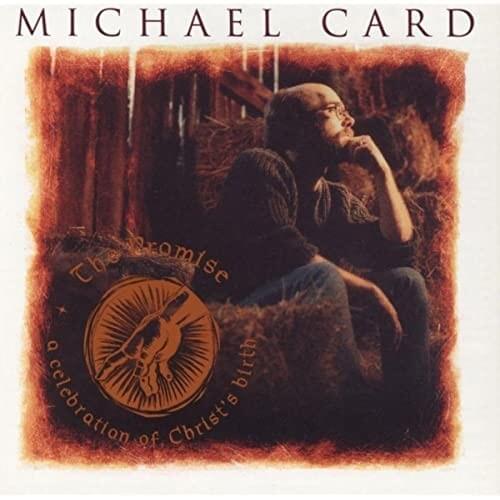
 View Artist