Song Meaning
These lyrics paint a picture of spiritual longing, a deep desire to move beyond a distant, historical understanding of the divine. The speaker observes a collective struggle, where a powerful "light so many strain to see" remains an "echo of history," often discussed but rarely embodied. There's a palpable frustration with faith reduced to a "once a week observance," where words are "coldly mouth[ed]" without true engagement.
The central tension here is the chasm between professed belief and lived experience. The speaker challenges the very purpose of the divine's sacrifice, asking, "Was it for this You came and died?" This isn't just a critique of others; it's a profound self-reflection, admitting, "We lose You in our busyness." The most striking self-indictment arrives with the confession that "We've made You in our image," leading to a "faith's idolatry" – a powerful paradox where devotion becomes self-serving.
The craft here lies in the direct, unvarnished language and the shift in perspective. The lyrics move from a collective "we" observing a problem to a deeply personal plea: "Lord, deliver me / And break my heart so I can see." This isn't just a request for forgiveness; it's a visceral cry for internal transformation, for a heart-wrenching clarity that reveals the divine's immanence: "That You're alive in me." The repeated chorus, "let me know You in the now," underscores this urgent need for an immediate, tangible connection.
Ultimately, these lyrics hit hard because they articulate a common spiritual yearning for authenticity. They bypass platitudes, instead offering a raw, honest confession of superficiality and a desperate, hopeful plea for genuine presence. The power comes from the speaker's willingness to confront the disconnect head-on, demanding a faith that is not just spoken, but truly lived and felt "in reality."
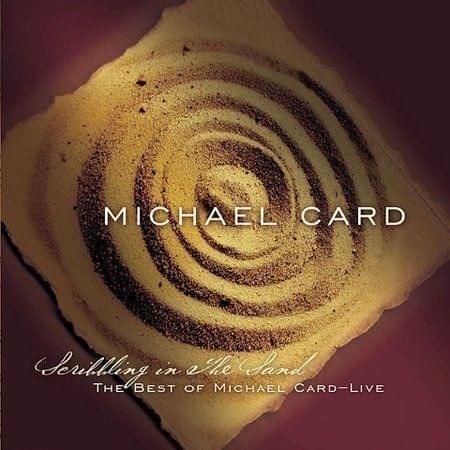
 View Artist