Song Meaning
This reprise of "Be Thou My Vision" centers on an unwavering, almost desperate plea for divine presence to be the sole guiding force in life. The narrator explicitly states that worldly possessions and external validation hold no value compared to this singular connection. It’s a powerful declaration of absolute devotion, where every aspect of existence—from thought to action—is to be subsumed by this divine relationship. The lyrics paint a picture of a soul seeking ultimate refuge and purpose, not in earthly achievements, but in a profound spiritual union.
The core tension lies in the narrator's desire to sever all other attachments, framing them as distractions or illusions. Phrases like "Nought be all else to me, saved that Thou art" and "Riches I need not, nor man's empty praise" underscore this radical renunciation. This isn't just a preference; it's a demand for exclusivity, suggesting a deep-seated fear of losing sight of the divine amidst the chaos of the world. The narrator actively seeks to reorient their entire perception, making God the singular lens through which everything else is viewed.
The most striking aspect of the craft here is the relentless repetition of "Be Thou my..." followed by a series of roles and attributes. This anaphora builds an almost incantatory effect, reinforcing the narrator's singular focus. From "vision" and "wisdom" to "breastplate" and "sword," the divine is cast in every conceivable protective and guiding capacity. This isn't just a passive wish; it's an active construction of a divine-centric reality, where God is the very fabric of the narrator's being and defense.
Ultimately, the effectiveness of these lyrics stems from their raw, unvarnished intensity. The narrator’s complete surrender and the stark contrast drawn between divine treasure and worldly dross create a potent emotional resonance. It speaks to a profound human yearning for meaning and security, articulated through a language of absolute commitment. The final lines, "Still be my vision, Thou ruler of all," bring the plea full circle, emphasizing that even after life's struggles, this divine focus remains the ultimate, unchanging aspiration.
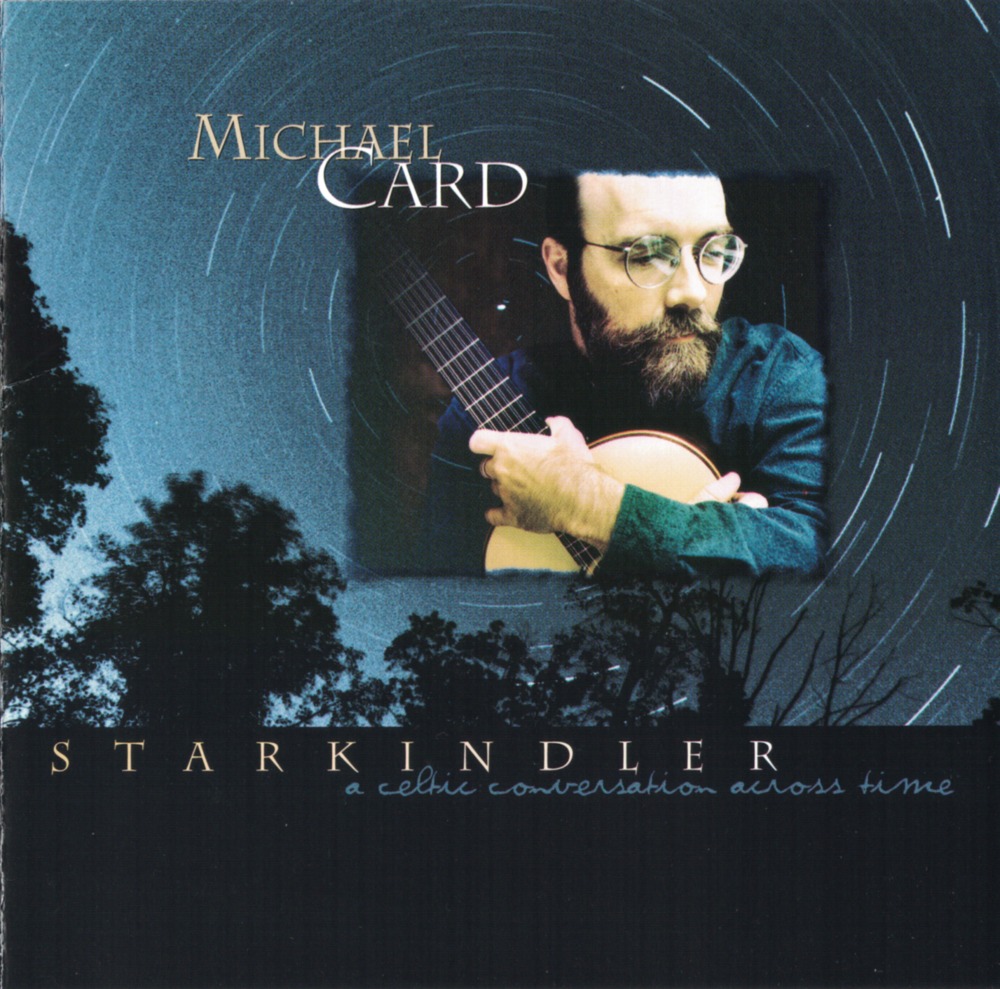
 View Artist