Song Meaning
The lyrics paint a picture of someone experiencing a dramatic, almost celestial, shift in their circumstances, marked by a sense of both elevation and peril. The opening lines, "Look up here, I'm in heaven," immediately establish a lofty, perhaps even divine, perspective, yet this is quickly undercut by the admission of "scars that can't be seen" and "drama, can't be stolen." This suggests an internal turmoil or a history of pain that isn't outwardly visible but is deeply ingrained, a private burden even amidst public recognition ("Everybody knows me now").
The narrator then pivots to a state of acute vulnerability: "I'm in danger" and "I've got nothing left to lose." The dizzying sensation of being "so high, it makes my brain whirl" could imply literal intoxication or an overwhelming emotional state, amplified by the casual, self-deprecating observation, "I dropped my cell phone down below." This small, almost absurd mishap, followed by the repeated refrain, "Ain't that just like me?" underscores a pattern of self-sabotage or a tendency to stumble even at the peak of perceived success.
The narrative then jumps to a specific past experience in New York, where the narrator lived extravagantly like a "king" but depleted their resources while searching for someone. This pursuit, coupled with the declaration "This way or no way," reveals a determined, perhaps obsessive, drive that ultimately leads to a state of being free, but not necessarily in a positive sense. The recurring image of the "bluebird" offers a fleeting sense of liberation, yet the narrator's immediate self-identification with this freedom through "Ain't that just like me?" implies a cyclical pattern of reaching a point of release that is inextricably linked to their own flawed nature.
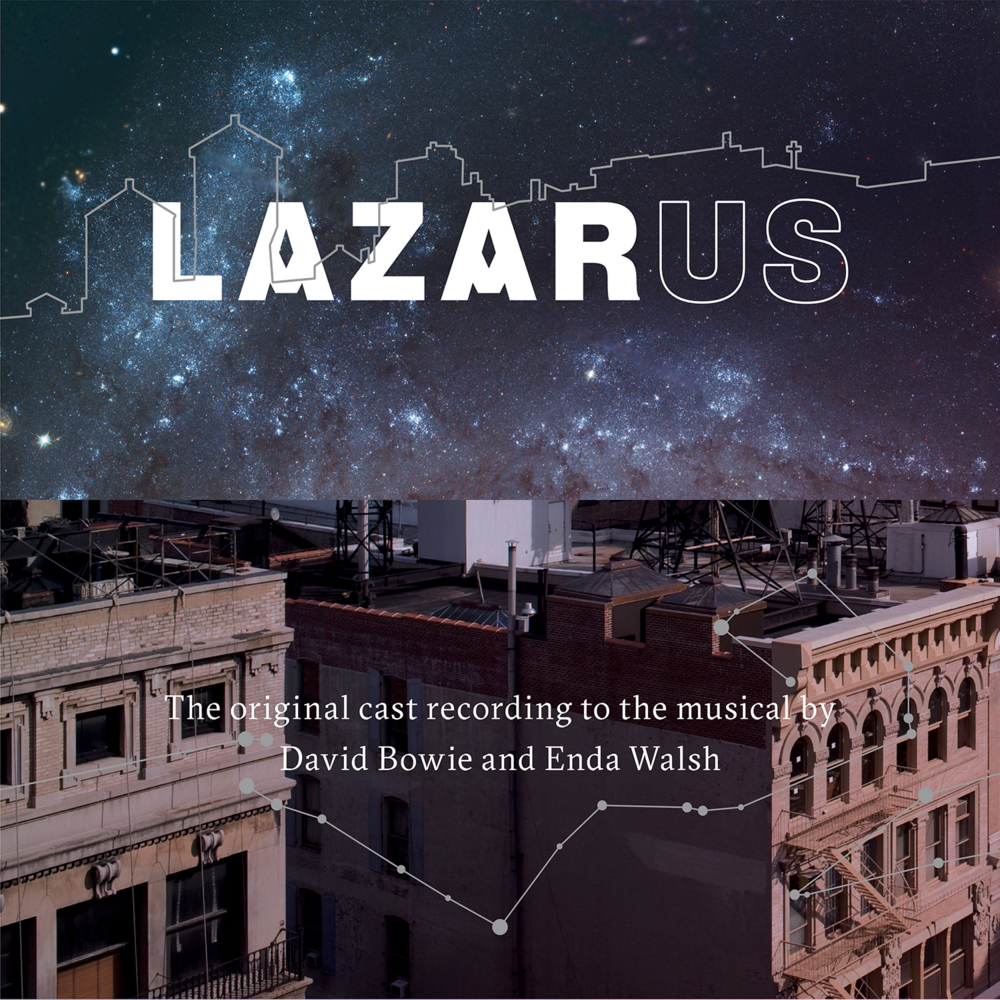
 View Artist