Song Meaning
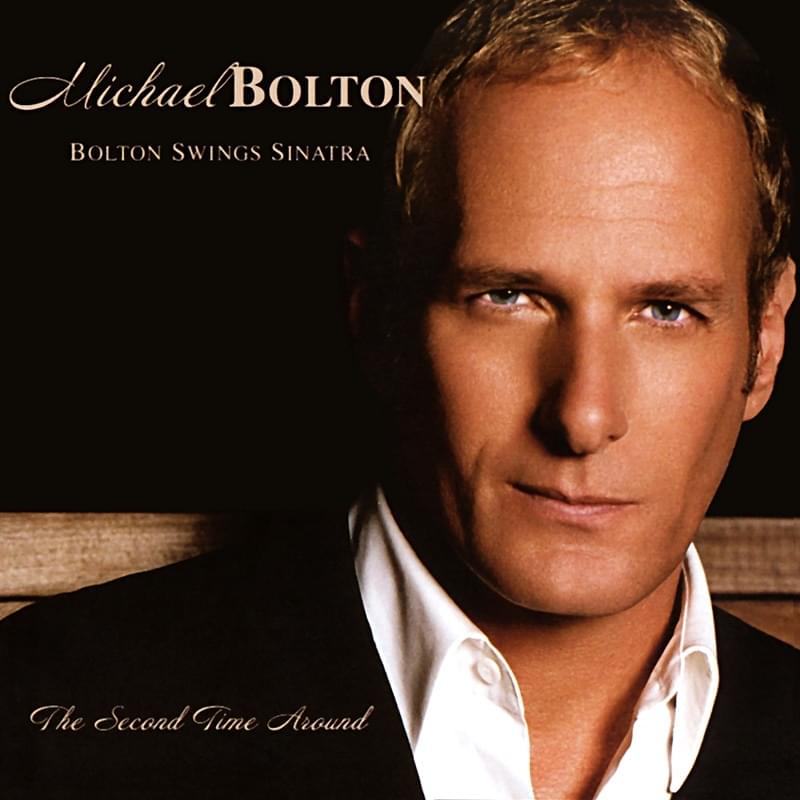
Michael Bolton's interpretation of "They Can't Take That Away from Me" lands as a poignant, almost defiant ode to the enduring power of memory and intimate connection. Stripped of bombast and arena-rock theatrics, the song meaning shifts to a quiet, interior space – a curated museum of shared moments. It's not about grand gestures or sweeping declarations; instead, Bolton focuses on the minutiae of a relationship, the seemingly insignificant details that accumulate into something profound. The slightly off-key singing, the way a hat is worn – these quirks become treasured artifacts, imbued with a significance that transcends their objective reality. In essence, the song posits that love's true value lies not in its permanence or societal validation, but in the indelible mark it leaves on the individual psyche.
The recurring refrain, "They can't take that away from me," acts as both a shield and a declaration of independence. "They" could represent any external force: societal judgment, the passage of time, or even the inevitable dissolution of the relationship itself. Yet, the speaker asserts ownership over these memories, claiming them as an unassailable part of their inner world. This is where the psychological weight of the song becomes apparent. It's a recognition that even in the face of loss, the internal landscape shaped by love remains a source of strength and resilience. The bumpy road to love, acknowledged in the bridge, suggests an acceptance of imperfection and challenges, further solidifying the idea that it's the shared journey, not the destination, that truly matters.
Ultimately, Bolton's rendition of "They Can't Take That Away from Me" becomes a testament to the power of individual experience. It's a sophisticated understanding that love's true legacy lies not in public displays or lasting commitments, but in the quiet, personal moments that shape our identities. The song isn't just about romantic love; it's about the universal human need to find meaning and solace in the face of impermanence, clinging to the memories that define who we are, regardless of what external forces may try to erase. It proposes a defiant resilience, finding strength not in external validation, but in the intimate, unshakeable reality of one's own heart.
 View Artist