Song Meaning
Michael Bolton's rendition of "Summer Wind," a tune already steeped in wistful nostalgia, becomes a masterclass in adult contemporary heartbreak. Forget teen angst; this is the sophisticated sorrow of a love affair that bloomed under the intoxicating spell of summer, only to wither with the changing seasons. The lyrics paint a vivid picture of fleeting romance – sun-drenched days on golden sand, a shared song, a world seen anew 'beneath a blue umbrella sky.' But the idyllic imagery serves a purpose: to heighten the pain of what's inevitably lost. The summer wind, initially a benign presence, transforms into a fickle force, a siren's call that lures the beloved away. It's not just the end of summer; it's the end of 'us.'
The brilliance of the song meaning lies in its subtle personification of the summer wind. It's not merely a weather phenomenon; it's an active agent, a 'fickle friend' that whispers promises and then steals away. This elevates the narrative beyond a simple breakup song. The wind becomes a symbol of the capricious nature of love itself – the way it can sweep you off your feet, only to leave you stranded. The repeated references to the wind throughout the lyrics, especially the shift from the carefree 'summer wind' to the desolate 'autumn wind and the winter winds,' underscore the cyclical nature of longing and the enduring ache of loss.
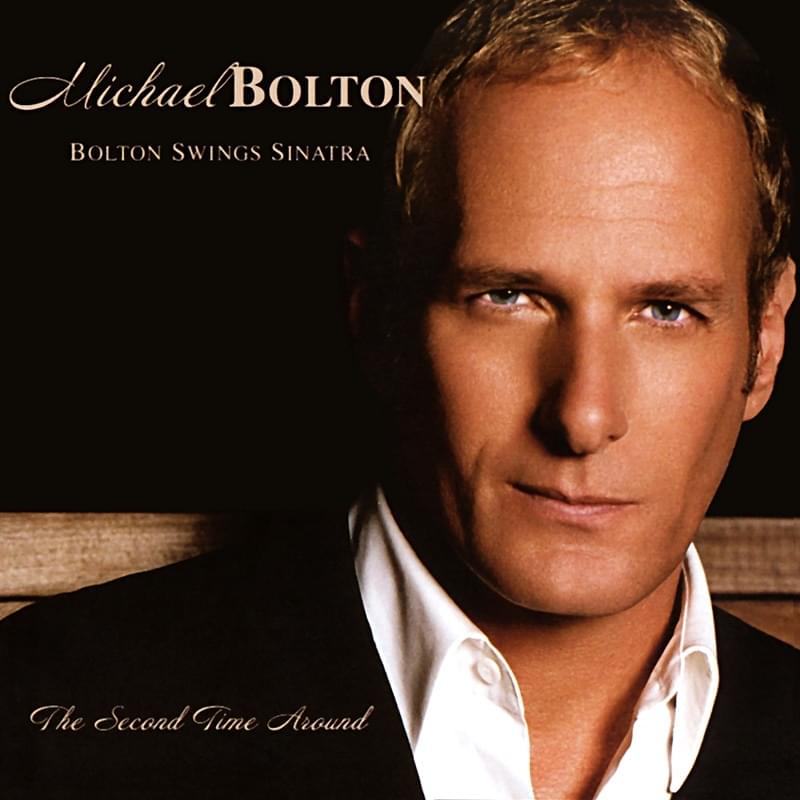
Bolton's performance, with its signature emotive delivery, amplifies the inherent melancholy of the lyrics. It's a song for those who understand that some loves are destined to be ephemeral, beautiful but ultimately transient. The 'lullabies through nights that never end' aren't just a lament; they're a recognition of the enduring power of memory and the bittersweet reality that some summers, and some loves, exist only in the realm of recollection.
 View Artist